

10 Hotel Digital Marketing Strategies for Direct Bookings

Table of Contents
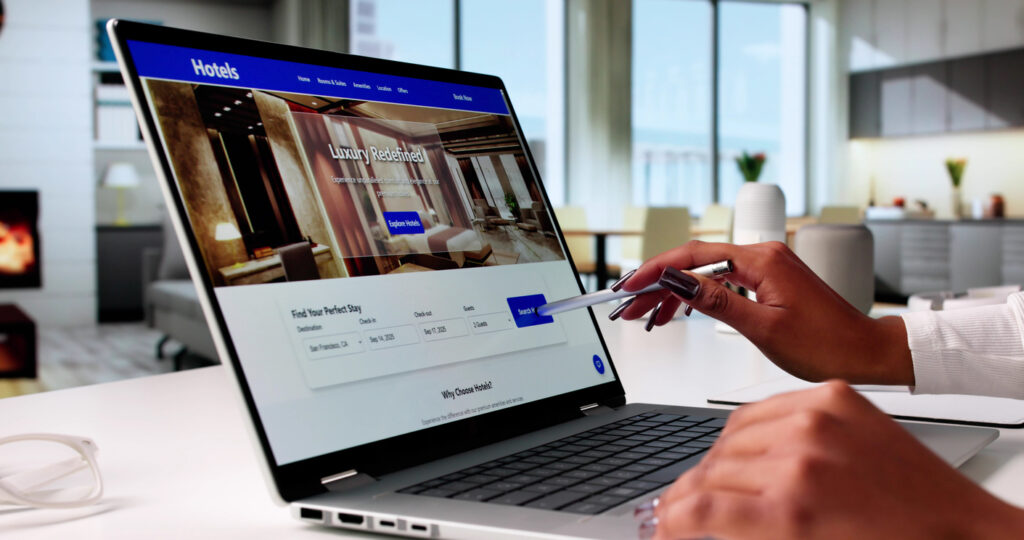
A traveler searches for your hotel, compares a few options, visits your website, then books elsewhere on an online travel agency (OTA). You fill the room, but you also paid a commission—money that could have stayed in your business.
This happens every day, and it is not always because OTAs offer a better product. More often, a hotel digital marketing strategy is not doing enough to attract, persuade, and convert guests through its own channels. The result is higher acquisition costs, less control over the guest relationship, and fewer chances to build loyalty.
The goal is not to eliminate OTAs, but to make direct booking the easiest choice. That takes more than a website. It requires a coordinated hotel digital marketing strategy that combines SEO, paid search, metasearch, email marketing, social media, dynamic pricing, and hotel technology.
In this guide, you’ll learn 10 proven hotel marketing strategies to reduce OTA dependence, increase direct bookings, and maximize revenue.
- A successful hotel digital marketing strategy combines multiple channels. SEO, paid search, metasearch, email, social media, and retargeting work best when supported by dynamic pricing and a high-converting booking experience.
- Direct bookings depend on more than competitive rates. Fast websites, personalized marketing, valuable booking incentives, and data-driven channel management all help convert more travelers into direct guests.
- Connected hotel technology drives better marketing results. Integrating your CRS, PMS, booking engine, RMS, CRM, and analytics gives you the visibility and automation needed to increase profitability while reducing reliance on OTAs.
1. Build Your SEO Foundation Before You Spend on Ads
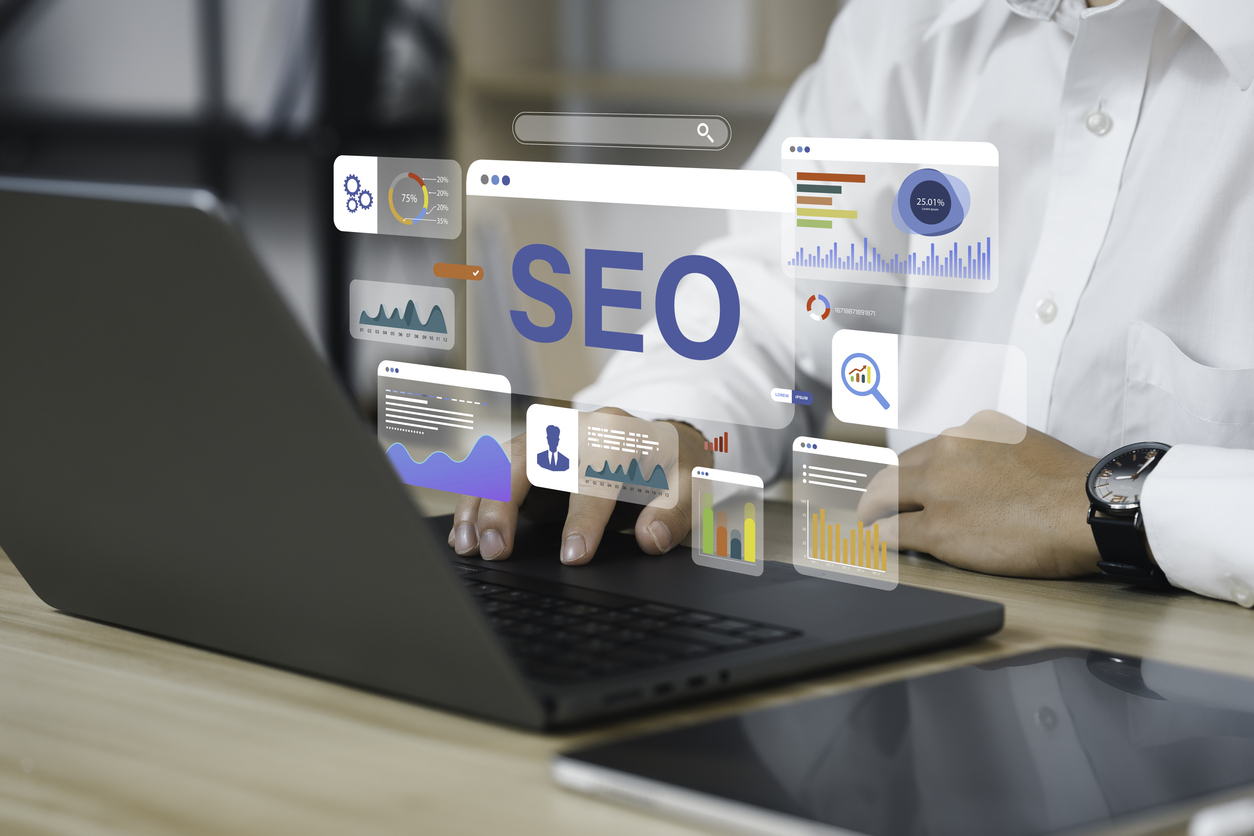
Search engine optimization (SEO) is one of the most cost-effective hotel digital marketing strategies because it attracts travelers actively searching for accommodations. Unlike paid advertising, organic visibility continues generating traffic long after content is published.
Start with local SEO by optimizing your Google Business Profile with:
- Accurate business information
- Professional photos
- Amenities
- Guest reviews
This improves your visibility in local map results and “hotels near me” searches.
Your website should also be optimized for search. Create dedicated pages for room types, amenities, dining, and special offers, supported by fast load times, mobile responsiveness, and clear calls to action. Content such as destination guides, event pages, and FAQs helps capture travelers during the research phase and positions your hotel as a trusted local resource. As your organic visibility grows, you’ll rely less on paid acquisition to generate bookings.
2. Run Metasearch Campaigns to Compete Where Guests Are Already Comparing Rates
Metasearch platforms such as Google Hotel Ads, Tripadvisor, and Kayak let travelers compare hotel rates in one place, making them an important direct booking channel.
Unlike OTA commissions, metasearch campaigns give you control over your advertising budget while directing guests to your own booking engine. However, success depends on competitive direct rates. If OTAs consistently display lower prices, metasearch campaigns are unlikely to convert.
Monitor key performance metrics such as:
- Click-through rate
- Conversion rate
- Cost per acquisition
- Return on ad spend
Small adjustments to bids, pricing, or creative assets can improve performance while keeping acquisition costs below OTA commissions.
3. Use Paid Search to Capture High-Intent Guests at the Bottom of the Funnel

Many travelers searching for your hotel by name are ready to book, but online travel agencies (OTAs) often bid on branded keywords to capture those reservations.
Running Google Search Ads for your brand helps direct guests to your official website instead of third-party booking sites. Paid search can also promote seasonal offers, event packages, or special promotions during periods of lower demand.
Just as important as the ad is the landing page that people are sent to when they click on the ad. Send visitors to pages that match their search intent with current pricing, availability, and a clear booking path instead of your homepage. Paid search performs best when combined with strong organic rankings, allowing your hotel to occupy more search results and increase the likelihood of earning the click.
4. Turn Your Website Into a Direct Booking Engine, Not a Digital Brochure
Your website should function as your most effective sales channel, not simply an online brochure. OTAs often act as billboards, meaning that a guest could do research using them as basically an aggregator of information, then visit your website directly to make a booking. This especially happens if they’re only booking accommodations rather than a flight and/or rental vehicle as well.
In any case, potential guests quickly decide whether to continue booking or leave once they land on your website. Fast page speeds, intuitive navigation, mobile optimization, and visible booking buttons reduce friction throughout the reservation process. Trust signals such as guest reviews, professional photography, security badges, and clear cancellation policies further increase booking confidence.
Your booking engine should be accessible from every key page and require as few steps as possible to complete a reservation. Features like best rate guarantees, flexible booking policies, and exclusive direct booking offers encourage guests to book through your website instead of an OTA.
Website conversion checklist
| Element | Why It Matters | Quick Win or Long-Term Fix |
| Mobile optimization | Most travelers research and book on mobile devices | Long-term fix |
| Fast page speed | Reduces abandonment and improves SEO | Long-term fix |
| Clear booking button | Makes reservations easy from every page | Quick win |
| Professional photography | Builds trust and showcases the guest experience | Long-term fix |
| Guest reviews | Provides social proof and credibility | Quick win |
| Best rate guarantee | Gives guests confidence to book direct | Quick win |
| Simple booking flow | Reduces friction and abandonment | Long-term fix |
5. Build an Email Marketing Program That Re-Engages Guests You’ve Already Won
Email is a high-return hotel online marketing strategy because it targets guests who already know your property.
Pre-arrival emails help set expectations while promoting upgrades, dining reservations, spa services, and other revenue opportunities.
Post-stay emails:
- Encourage reviews
- Strengthen guest relationships
- Increase repeat bookings
Hotels can also use property management system (PMS) data to automate win-back campaigns for guests who have not returned within a defined period. Personalized offers based on previous stays typically outperform generic promotions.
Segmenting audiences by traveler type or booking history further improves results by delivering more relevant messages. Monitoring metrics such as open rates, click-through rates, bookings, and unsubscribe rates helps refine campaigns and maximize long-term performance.
6. Use Social Media to Build Demand, Not Just Awareness

Social media should generate bookings, not just engagement. Instead of focusing on likes and follower counts, use your channels to inspire travel, build trust, and guide guests toward booking directly.
Share:
- Authentic guest experiences
- Seasonal packages
- Local attractions
- Dining recommendations
- Behind-the-scenes content that highlights your property’s personality
Short-form videos, room tours, and staff recommendations often outperform highly polished promotional posts because they feel more authentic.
Platform choice depends on your audience. Independent hotels often see the strongest results on Instagram and Facebook, while multi-property groups may also benefit from LinkedIn, TikTok, or Pinterest, depending on their target market.
Paid social campaigns help reach travelers before they begin comparing prices on OTAs. Combined with audience targeting based on interests, travel intent, and location, they can generate qualified traffic to your website.
Encourage guests to share photos during their stay and repost user-generated content with permission. These authentic experiences provide valuable social proof. Consistent messaging across social media, email, and your website reinforces your brand and improves conversion.
7. Make Dynamic Pricing Part of Your Hotel Digital Marketing Strategy
Pricing is one of your hotel’s most powerful marketing tools. Static rates fail to reflect changes in demand, competitor pricing, local events, and booking pace, while dynamic pricing helps maximize both occupancy and revenue.
When your revenue management system (RMS) integrates with your booking engine and central reservation system (CRS), guests always see accurate, competitive rates across your direct channels.
Demand forecasting also helps hotel online marketing strategy teams determine when promotions are necessary. During high-demand periods, maintaining higher rates often generates more revenue than discounting. During slower periods, targeted offers can stimulate demand before occupancy declines.
Combining dynamic pricing with marketing automation creates even greater value. Forecasts can trigger promotional campaigns when demand softens and reduce advertising during periods of strong occupancy, ensuring pricing and marketing work toward the same revenue goals.
8. Use Retargeting to Recover Guests Who Didn’t Book the First Time
Most travelers do not book during their first visit to your website. Retargeting keeps your hotel visible while they continue researching.
Google Display and Meta retargeting campaigns show relevant ads to previous website visitors, often delivering lower acquisition costs than campaigns targeting new audiences.
The strongest campaigns personalize messaging based on guest behavior. Visitors who viewed family suites, spa packages, or abandoned the booking process should see ads that reflect those interests and encourage them to return.
Retargeting should also be carefully managed. Frequency caps prevent ad fatigue, while excluding guests who have already booked avoids unnecessary spending. Instead, existing guests can receive promotions for upgrades, dining, or future stays. Measuring assisted conversions provides a more complete understanding of retargeting’s contribution to direct bookings.
9. Leverage Loyalty and Direct Booking Incentives as a Marketing Channel

Winning direct bookings does not always require offering the lowest price. Many travelers value exclusive benefits more than modest discounts.
Instead of competing on rate alone, offer incentives such as:
- Complimentary breakfast
- Early check-in
- Late checkout
- Room upgrades
- Food and beverage credits
- Flexible cancellation
- Exclusive packages
These perks increase the perceived value of booking directly while protecting your average daily rate.
Promote these benefits consistently across your website, landing pages, booking engine, confirmation emails, and social channels so guests clearly understand the advantages of booking directly.
Even without a large loyalty program, hotels can encourage repeat business through personalized communication, recognition of returning guests, and exclusive offers. Regularly reviewing which incentives produce the highest conversion rates helps maximize return on your marketing efforts.
10. Align Your Channel Mix With Data, Not Habit
Effective channel management relies on data rather than tradition. Instead of investing in the same marketing channels year after year, evaluate performance using measurable business outcomes.
Your CRS, PMS, and analytics platforms provide insight into:
- Booking sources
- Guest behavior
- Revenue contribution
- Customer lifetime value
Looking beyond commission rates is important because channels with slightly higher acquisition costs may generate more profitable guests through longer stays, greater ancillary spending, or repeat bookings.
Review metrics such as customer acquisition cost, average daily rate, revenue per available room, cancellation rates, and repeat business regularly to identify where marketing budgets should be allocated.
Channel performance comparison
| Channel | Avg. Commission or Cost | Control Over Guest Data | Direct Booking Potential | Best For |
| Organic SEO | Low | High | Excellent | Long-term demand generation |
| Google Hotel Ads | Moderate | High | High | Guests comparing rates |
| Paid Search | Moderate | High | High | High-intent booking searches |
| Email Marketing | Very Low | High | Excellent | Repeat guests and loyalty |
| Social Media | Low to Moderate | Medium | Moderate | Brand awareness and demand generation |
| OTAs | High | Low | Low | Expanding market reach |
Regular monthly and quarterly performance reviews help hotels adapt to changing traveler behavior and shift resources toward the channels delivering the strongest long-term ROI.
Hotel Marketing Tools That Make These Strategies Manageable
The success of these hotel digital marketing strategies depends on having connected technology behind them. When systems operate independently, hotel online marketing strategy becomes less efficient, guest data becomes fragmented, and pricing inconsistencies can emerge.
Hotel marketing tools by function
| Tool Category | What It Does | How It Supports Direct Bookings |
| CRS | Centralizes reservations and distribution | Maintains accurate rates and availability |
| Internet Booking Engine (IBE) | Processes direct online reservations | Simplifies website bookings |
| RMS | Optimizes pricing based on demand | Supports dynamic pricing |
| Channel Manager | Synchronizes inventory across channels | Prevents pricing and availability issues |
| CRM | Stores guest profiles and communication history | Enables personalized marketing |
| Analytics Platform | Measures campaign and booking performance | Guides smarter marketing investment |
When your CRS, PMS, RMS, booking engine, CRM, and analytics platform work together, your team gains a complete view of marketing performance while delivering a more consistent guest experience. Connected systems reduce manual work, improve personalization, and help maximize the return on every marketing investment.
Conclusion/Next Steps
Increasing direct bookings requires more than a single marketing tactic. Hotels achieve the best results when SEO, metasearch, paid search, website optimization, email marketing, social media, dynamic pricing, retargeting, loyalty initiatives, and channel management work together as part of a unified hotel digital marketing strategy.
A connected technology ecosystem makes the hotel digital marketing strategy easier to execute. When your PMS, CRS, booking engine, RMS, and marketing tools share data seamlessly, you can improve pricing accuracy, personalize guest communications, streamline operations, and increase profitability.
Ready to strengthen your direct booking strategy? Explore Zucchetti North America’s hospitality technology solutions, including
Have questions about where to start? Contact our team, and we’ll help you find the right fit.




Related Articles

9 Hotel Marketing Ideas to Boost Occupancy
Independent hotels and regional hotel groups face a difficult reality: they’re competing for the same...
Hotel Guest Journey Mapping: A Complete Guide for Hoteliers
A guest’s opinion of your hotel isn’t formed at check-in. It starts with the first...

How Exceptional Hospitality Customer Service Increases Revenue
Impressing your guests takes much more than just providing the expected, like a smooth check-in...

North America
Zucchetti North America offers hospitality solutions to hotels and other lodging providers, as well as on-site dining operations across North America.
Quick Links
Contact Us

34 West Oak St, Sturgeon Bay, WI 54235
7901 Kingspointe Pkwy Ste 9, Orlando, FL 32819
500 SW 116th Ave, Portland, OR 97225

+1.503.343.4263

sales@zucchettinorthamerica.com
©2026 Zucchetti. All rights reserved.