

How to Use an MCP Connector: A Step-by-Step Hotel Guide

Table of Contents

Connecting AI to your hotel systems used to mean custom integrations, long implementation projects, and heavy IT involvement. That’s changing. With MCP (Model Context Protocol) connectors, hotels can securely connect AI assistants like Claude and ChatGPT to the software they already use, pulling live data, automating routine tasks, and getting faster answers without building a separate integration for every application.
This guide walks through the practical setup process for both Claude and ChatGPT, what you need before you begin, and how hotel teams can use MCP day-to-day. Whether you’re a revenue manager, front desk leader, or general manager, you’ll leave knowing how to get started and avoid the most common setup mistakes.
- MCP connectors provide a standard way for AI assistants to connect with your hotel’s existing systems. Instead of creating custom integrations, one connector can work across multiple compatible applications.
- Setting up Claude and ChatGPT is straightforward, but each platform has a slightly different workflow. ChatGPT also requires enabling Developer Mode before MCP apps can be used.
- Preparation matters. Before you begin, confirm your AI platform, verify that your PMS, CRS, RMS, or other software supports MCP, and make sure you have the necessary permissions.
- The biggest benefits come after setup. Hotel teams can use MCP connectors to retrieve live operational data, generate reports, answer guest questions faster, and support better revenue decisions from a single AI interface.
- A few simple best practices can prevent common issues. Testing the connection first, limiting access permissions, and verifying software compatibility will help ensure a smooth rollout.
What Is an MCP Connector? (A Quick Refresher)
 An MCP (Model Context Protocol) connector is a standard way for an AI assistant to securely connect with other software and pull real-time information. Simply put, it’s the bridge between an AI tool and the systems you already use.
Think of it like a universal power adapter. Instead of building a custom connection for every property management system, revenue management platform, CRM, or booking engine, an MCP connector gives AI tools one consistent way to plug into many different systems.
For hotels, that means your AI assistant can pull the right information from connected platforms without a separate integration for every application. Once the connection is in place, you can focus on using AI to answer questions, automate tasks, and support daily operations, not the technical details behind the scenes.
What You Need Before You Start
A few minutes of preparation can save a lot of troubleshooting later. Before connecting an AI assistant to your hotel systems, make sure you have the right tools, compatible software, and the necessary permissions.
- First, decide which AI platform you’ll use. Popular MCP AI connector options include ChatGPT and Claude, and each has a slightly different setup process.
- Next, confirm that the hotel systems you want to connect, such as your PMS, CRS, or RMS, support MCP or offer an MCP connector. If you’re unsure, check with your software provider or IT team before moving forward.
- Finally, identify who manages system access at your property. Many integrations require administrator approval or API credentials, so knowing who controls permissions can prevent delays during setup.
[TABLE PLACEHOLDER: Pre-Setup Checklist]
| Requirement | Why It Matters | Who to Ask |
| MCP-compatible AI tool | Determines the setup process and available features | AI platform administrator or IT team |
| MCP-compatible property software | Ensures your PMS, CRS, RMS, or other systems can connect | Software vendor or IT team |
| Data access permissions | Required for the AI tool to securely access hotel data | System administrator |
| Staff point of contact | Provides support for credentials, approvals, and troubleshooting | IT manager or property systems administrator |
How to Use the Claude MCP Connector
Setting up the Claude MCP connector is straightforward and only takes a few minutes. Before you begin, make sure you’re using a Pro, Max, Team, or Enterprise plan, as MCP connectors aren’t available on the free version.
Setting Up the Anthropic MCP Connector
- Go to Settings > Connectors in Claude.
- Add the connector by entering its web address, or select one from the available connector directory.
- Sign in to the connected system and approve the requested permissions.
- Enable the connector inside the conversation where you want Claude to use it. Once it’s turned on, Claude can access information from that connected system during your chat.
A Simple First Task to Try
Start with a simple, low-risk request to confirm everything is working correctly. For example, ask Claude:
“Show me today’s occupancy summary for the hotel.”
This lets you verify that Claude can retrieve live data from your connected systems before moving on to more advanced tasks, such as analyzing revenue trends, identifying booking gaps, or generating operational reports.
How to Use the ChatGPT MCP Connector
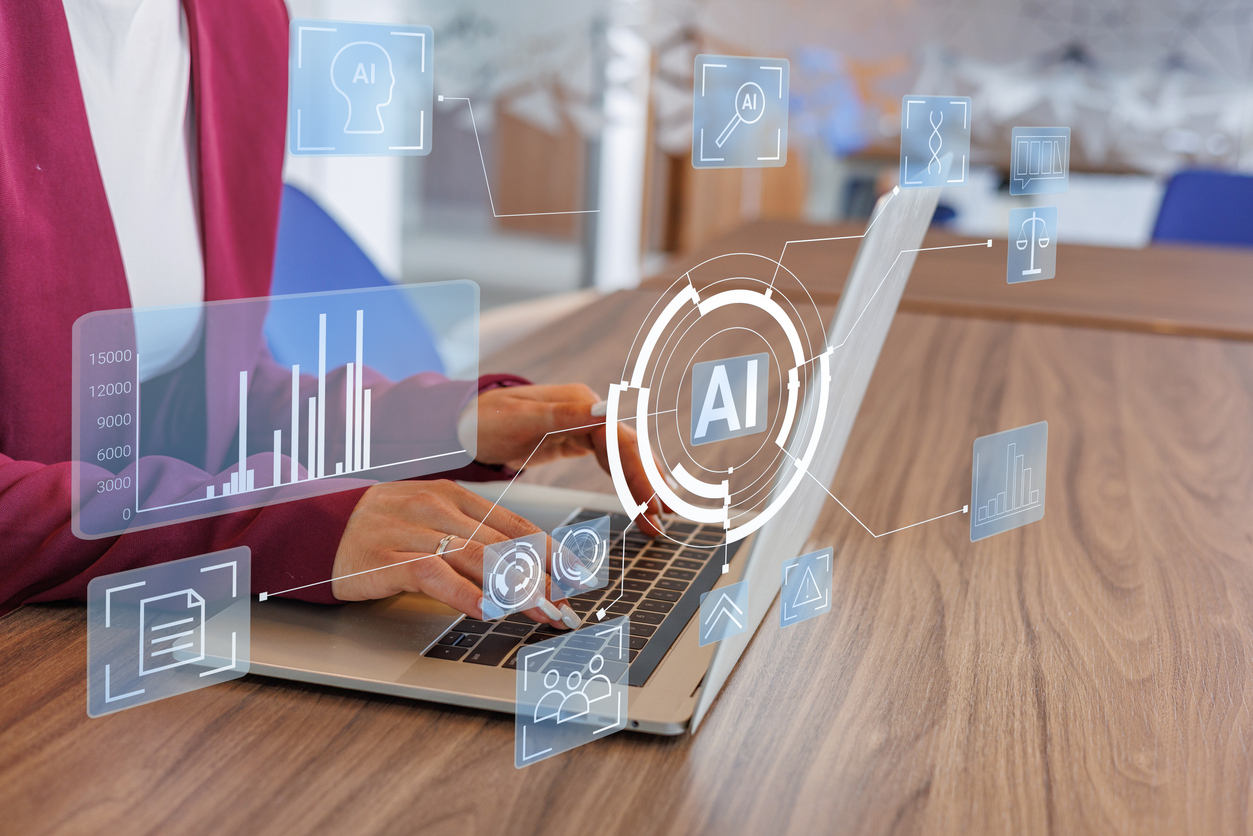 The setup process for ChatGPT is similar to Claude, but there are a few important differences. Notably, OpenAI now refers to these integrations as apps rather than connectors, although you’ll still see the older term used in many guides and tutorials.
Setting Up the ChatGPT MCP Connector
- Go to Settings > Apps and Connectors.
- Turn on Developer Mode under Advanced settings. This step is easy to overlook and isn’t required when setting up Claude.
- Add the app or connector by entering its web address, or install one from the Apps directory.
- Enable the app inside each new chat where you want ChatGPT to access your connected hotel systems.
Once enabled, ChatGPT can securely work with data from your connected applications, allowing you to retrieve information, answer operational questions, and automate routine tasks without switching between multiple systems.
Claude vs. ChatGPT: What’s Different at Setup
Both Claude and ChatGPT support the same underlying Model Context Protocol (MCP). The main differences are in how each platform presents the setup process, not in the technology itself. If you know where to find the settings and how each interface handles connectors, getting started is straightforward with either tool.
Claude vs. ChatGPT Setup Comparison
| Setup Step | Claude | ChatGPT |
| Where to start | Settings > Connectors | Settings > Apps and Connectors |
| Connector source | Add a connector URL or choose one from the connector directory | Add an app/connector URL or install one from the Apps directory |
| Additional setup | No extra configuration required | Enable Developer Mode under Advanced settings before using MCP apps |
| Authentication | Sign in and approve access to the connected system | Sign in and approve access to the connected system |
| Using the connection | Turn the connector on in the conversation where you need it | Turn the app on in each new chat where you want to use it |
| Terminology | Uses the term connectors | Primarily uses the term apps, though many guides still refer to them as connectors |
Everyday Ways Hotel Teams Use an MCP Connector
Once your MCP connector is set up, the real value comes from using it in everyday operations. Instead of switching between multiple systems or manually compiling information, hotel teams can ask the AI assistant for answers using natural language and receive responses based on connected, real-time data.
Revenue managers can quickly pull live rate comparisons, review occupancy trends, or identify pricing opportunities without jumping between the RMS, CRS, and market data sources.
Front desk staff can get instant answers about room availability, arrivals, departures, or reservation details, helping them respond to guest questions faster and reduce time spent navigating multiple applications.
Operations and leadership teams can generate daily performance reports, occupancy summaries, and other routine updates without manually exporting and combining data from different systems.
MCP Connector Use Cases by Role
| Role | Task Before | Task With an MCP Connector |
| Revenue manager | Check multiple systems to compare rates and occupancy | Ask the AI assistant for live rate comparisons and pricing insights |
| Front desk | Search the PMS to answer guest availability questions | Get instant answers on room availability and reservation status |
| General manager | Manually compile daily operational and performance reports | Generate summaries and reports with a single prompt |
| Distribution/channel manager | Review multiple channels to monitor inventory and rates | Quickly check channel performance, inventory, and distribution updates from connected systems |
Common Mistakes to Avoid
A few simple checks can prevent most setup and usability issues. Keep these common mistakes in mind:
- Giving the AI tool more access than it needs: Follow the principle of least privilege by granting only the permissions required for the tasks you want it to perform.
- Skipping a test run: Before relying on the connector for daily operations, try a simple request to confirm the connection is working and the data returned is accurate.
- Assuming every hotel system supports MCP: Not all PMS, CRS, RMS, or other applications are MCP-compatible. Verify compatibility with your software vendor before you begin.
- Forgetting to enable Developer Mode in ChatGPT: This is a required step for using MCP apps in ChatGPT and is easy to overlook during setup.
Where This Is Headed
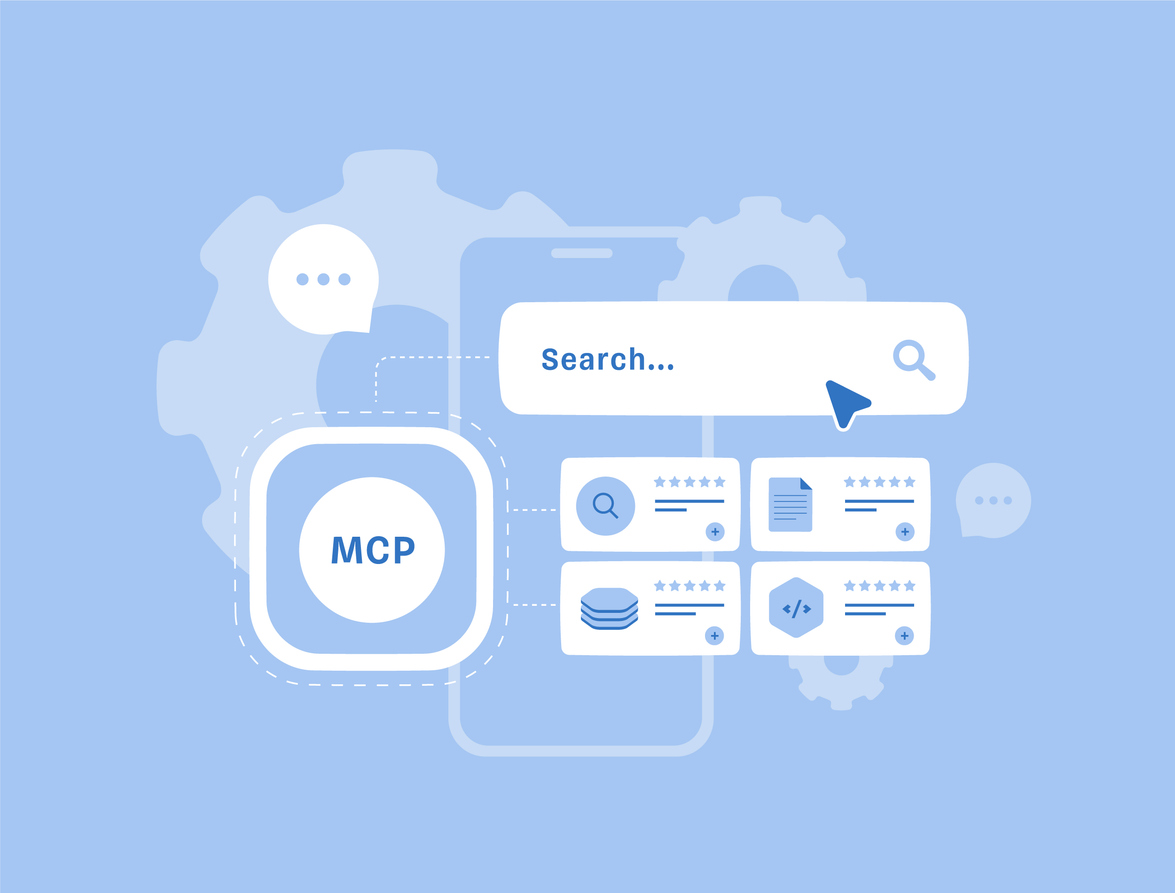 As more hotel teams make “just handle it” a normal way of working with AI, connected technology stacks and revenue tools like Lybra Assistant RMS are increasingly designed to take advantage of secure MCP-enabled workflows that simplify operations and support better decisions.
With SimpleBooking’s MCP connector, our clients can already connect their booking technology to AI-powered workflows and put these capabilities into practice. By enabling secure, connected access across systems, the connector helps hotel teams reduce manual steps, surface relevant information faster, and let AI handle routine tasks while teams stay focused on delivering better guest experiences.
Want to learn how a connected PMS, CRS, and RMS can reduce service friction across your property? Explore the Zucchetti North America technology stack:
Have questions about where to start? Contact our team, and we’ll help you find the right fit.






Related Articles

How Hotels Are Using an MCP System to Enhance the Guest Experience
Travelers are no longer searching for hotels the way they used to. Instead of clicking...

7 MCP Integration Strategies for Hotel Operations
Every Monday, a revenue manager at an independent hotel spends three hours pulling data from...

Hotel Tech Stack: How PMS, CRS, and RMS Work Better Together
Imagine it’s 7 a.m., and your front desk is buzzing. A group of last-minute bookings...

North America
Zucchetti North America offers hospitality solutions to hotels and other lodging providers, as well as on-site dining operations across North America.
Quick Links
Contact Us

34 West Oak St, Sturgeon Bay, WI 54235
7901 Kingspointe Pkwy Ste 9, Orlando, FL 32819
500 SW 116th Ave, Portland, OR 97225

+1.503.343.4263

sales@zucchettinorthamerica.com
©2026 Zucchetti. All rights reserved.