

Hotel Guest Journey Mapping: A Complete Guide for Hoteliers

Table of Contents

A guest’s opinion of your hotel isn’t formed at check-in. It starts with the first search result they click, the ease of booking, the confirmation email they receive, and every interaction that follows until long after checkout. A single weak touchpoint can undermine an otherwise exceptional stay, while a seamless experience can turn first-time visitors into loyal, repeat guests.
That’s why more hotels are adopting guest journey mapping. Instead of viewing operations as separate departments, guest journey mapping helps you see your property through the guest’s eyes, revealing where expectations are met, where friction occurs, and where improvements can have the greatest impact.
In this guide, you’ll learn what the hotel guest journey is, how to map each stage, which touchpoints matter most, and how mobile technology, AI, and integrated hotel systems support a smoother, more personalized guest experience.
- The hotel guest journey extends beyond the stay. It includes every interaction from discovery and booking to post-stay communication and repeat visits.
- Journey mapping uncovers opportunities to improve revenue and loyalty. Identifying friction across touchpoints can increase direct bookings, strengthen guest reviews, and encourage repeat stays.
- Connected systems create a more seamless experience. Integrating your PMS, CRS, RMS, guest communications, and other core platforms eliminates data silos and improves service consistency.
- Technology should enhance hospitality, not replace it. Mobile tools, automation, and AI work best when they simplify routine tasks while allowing staff to focus on meaningful guest interactions.
- Continuous improvement is essential. Regularly reviewing your guest journey helps your hotel adapt to changing guest expectations and deliver consistently memorable experiences.
What Is the Hotel Guest Journey?
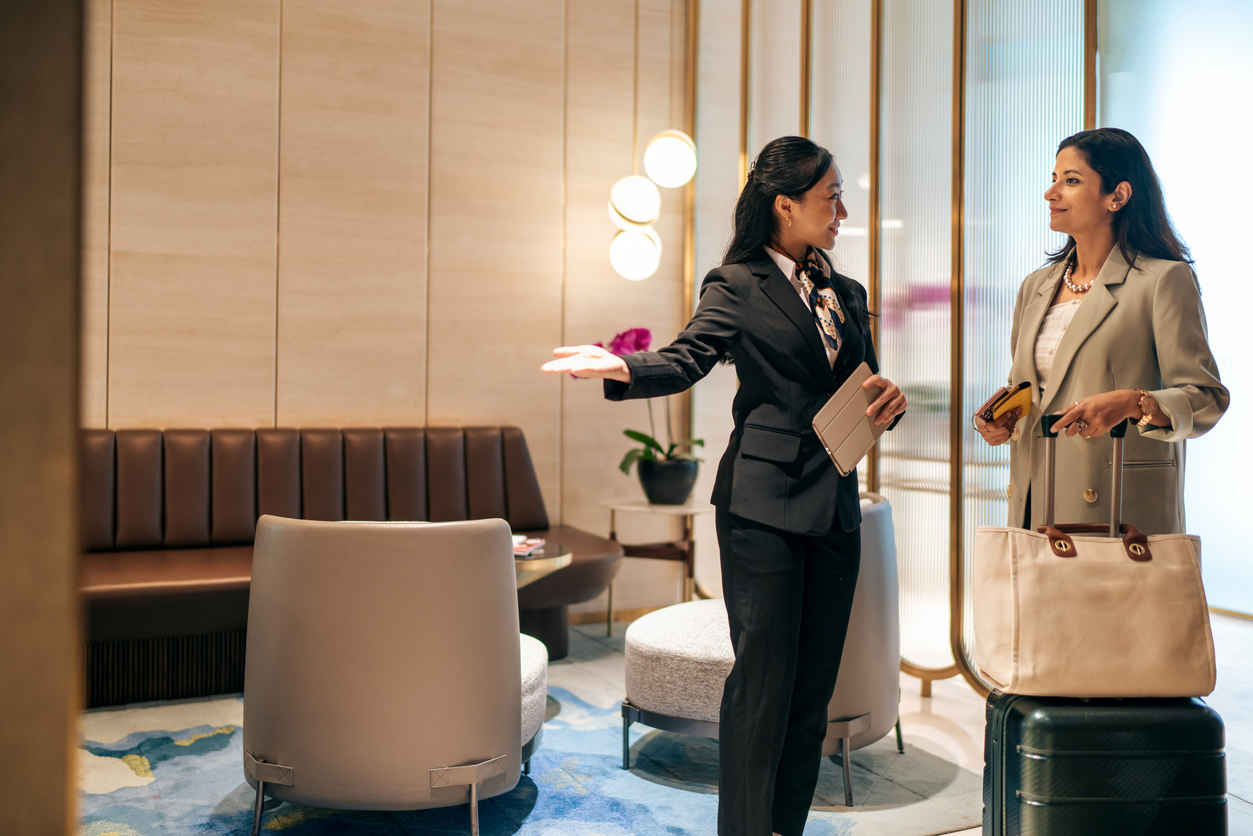 The hotel guest journey is the complete experience a guest has with your property, from the moment they first discover your hotel until long after they check out. It includes every interaction across:
- Marketing
- Booking
- Arrival
- The stay itself
- Post-stay communication
- Future booking decisions
Unlike a single stay or transaction, the guest journey looks at the entire relationship between the guest and the hotel. A reservation may only last a few nights, but the journey begins well before booking and continues through follow-up emails, loyalty offers, online reviews, and repeat visits. Every touchpoint influences how guests perceive your brand and whether they choose to return.
Why Guest Journey Mapping Matters for Independent Hotels and Groups
Guest journey mapping helps hotels see the experience from the guest’s perspective rather than through individual departments. Instead of treating reservations, front desk operations, housekeeping, and marketing as separate functions, it connects them into one continuous experience.
For independent hotels and multi-property groups, this creates measurable business benefits. A smoother journey can increase direct bookings by reducing friction during the booking process, improve guest reviews through more consistent service, and encourage repeat stays by delivering personalized experiences before, during, and after each visit.
The biggest obstacle is often a fragmented technology stack. When your property management system (PMS), booking engine, revenue management system, customer communications, and payment systems don’t share information, guests are forced to repeat details, staff lack context, and service becomes inconsistent.
Mapping the guest journey makes these disconnects visible, giving hotels a clear starting point for improving both the guest experience and operational efficiency.
The Stages of the Hotel Guest Journey
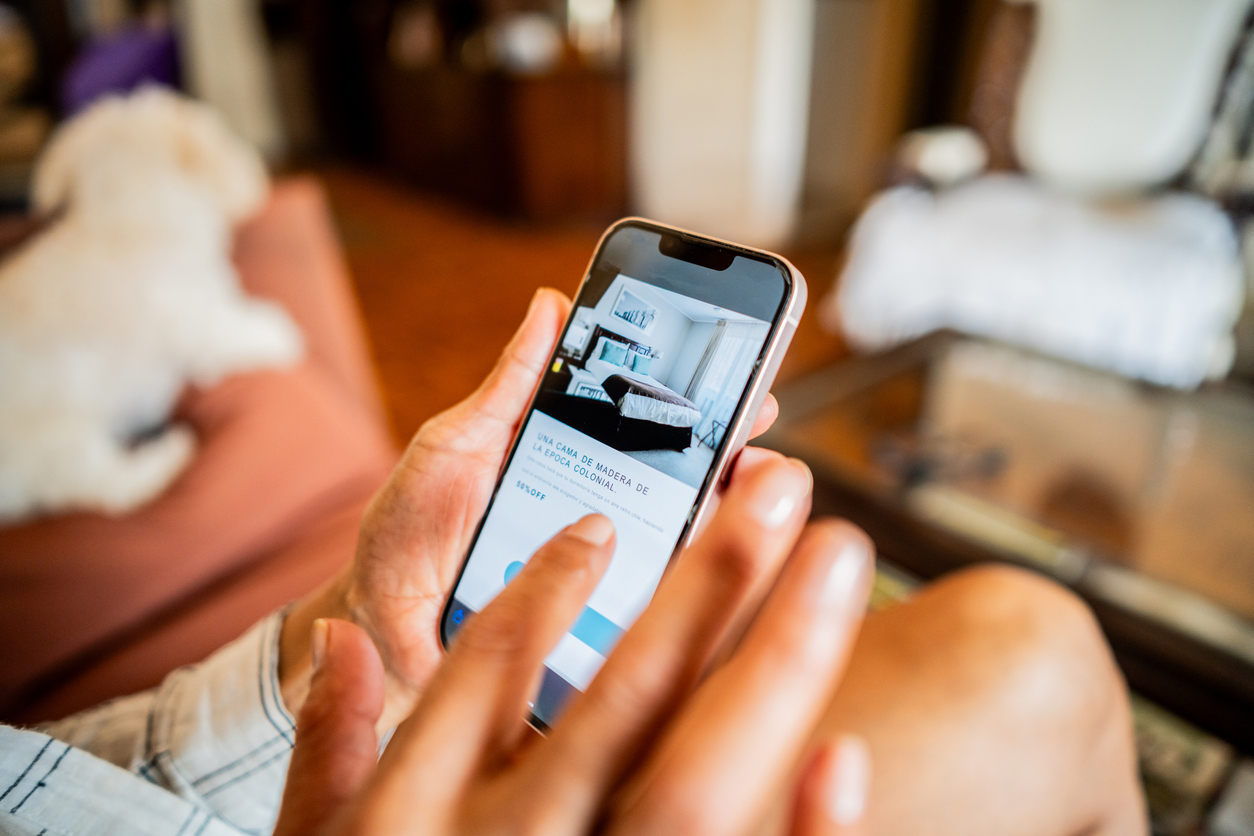 The hotel guest journey can be divided into three broad phases: pre-arrival, on-property, and post-stay. Each stage includes multiple touchpoints that influence how guests perceive your hotel and whether they choose to book, return, or recommend your property to others.
Pre-Arrival: Awareness, Research, and Booking
The guest journey begins long before someone walks through your doors. Guests first discover your hotel through:
- Search engines
- Online travel agencies (OTAs)
- Social media
- Recommendations
- Digital advertising
They then compare prices, read reviews, browse your website, and evaluate amenities before making a booking decision.
Once a reservation is confirmed, the experience continues through confirmation emails, pre-arrival communications, and opportunities to personalize the stay.
On-Property: Arrival Through Checkout
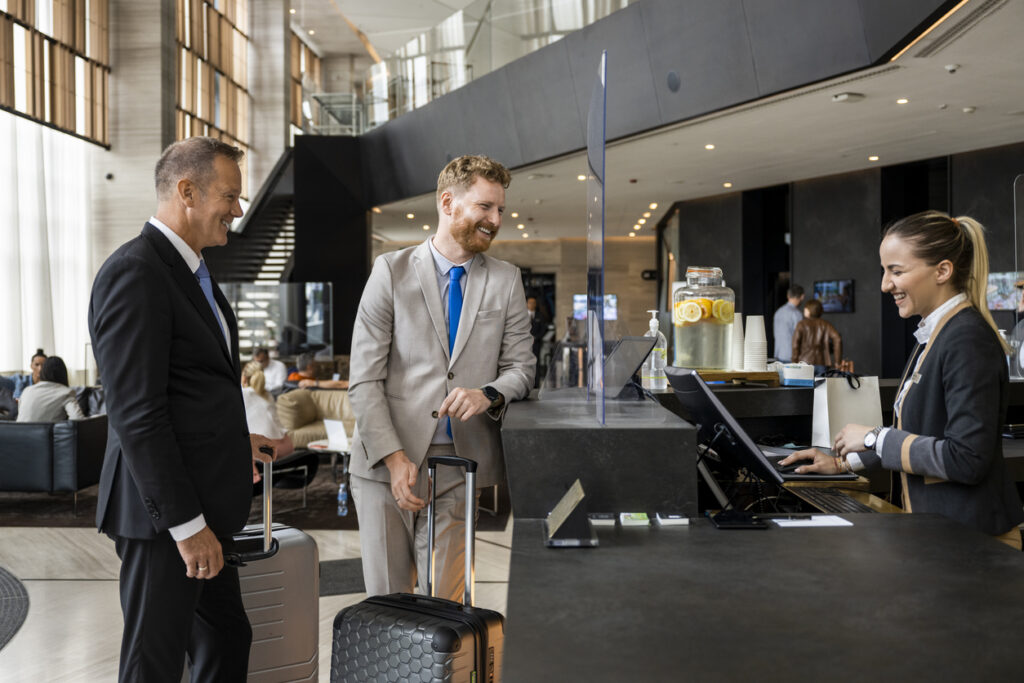
The on-property experience starts with check-in and continues through every interaction during the stay. First impressions start at reception, room cleanliness, dining experiences, service requests, and staff responsiveness all shape guest satisfaction.
A smooth checkout is equally important. Fast, accurate billing and convenient payment options leave guests with a positive final impression, while unresolved issues at departure can overshadow an otherwise enjoyable stay. You don’t want the last thing that guest remembers about the experience at your hotel to be about a billing issue.
Post-Stay: Follow-Up and Loyalty
The guest journey doesn’t end at checkout. Post-stay communication helps maintain the relationship and also encourages future bookings.
Hotels can request guest reviews, send personalized thank-you messages, offer loyalty rewards, or share relevant promotions for future stays. Consistent follow-up keeps your property top of mind and increases the likelihood of repeat business and referrals.
Hotel Guest Journey Stages and Key Touchpoints
| Journey Stage | Typical Guest Actions | Key Hotel Touchpoints |
| Pre-Arrival | Discover hotels, compare options, read reviews, book a room, receive confirmation | Search visibility, OTAs, hotel website, booking engine, reservation confirmations, pre-arrival emails |
| On-Property | Check in, access room, request services, dine, use amenities, check out | Front desk, mobile check-in, housekeeping, restaurant, concierge, guest messaging, payment and checkout |
| Post-Stay | Leave a review, respond to follow-up emails, join loyalty program, book again | Review requests, thank-you emails, loyalty offers, personalized marketing, direct booking campaigns |
Hotel Guest Journey Touchpoints Every Property Should Track
Every interaction a guest has with your hotel is a touchpoint that shapes their overall experience. Tracking these moments helps identify where guests encounter friction, where expectations are exceeded, and where operational improvements can have the biggest impact.
Hotel Guest Journey Touchpoints Before Arrival
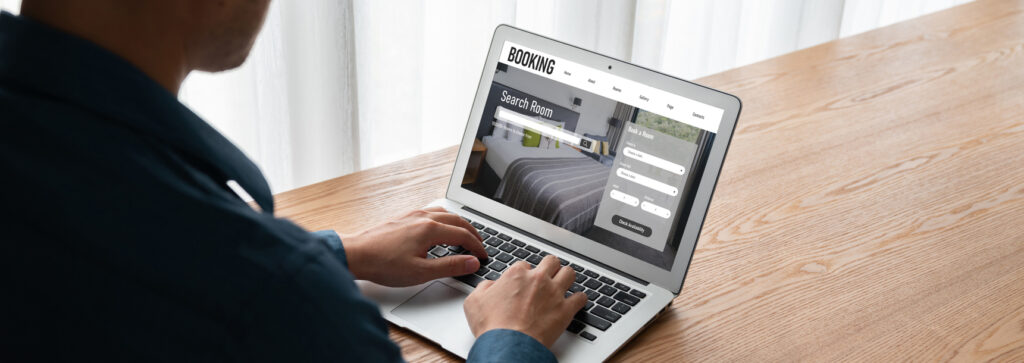
The pre-arrival phase often determines whether a guest books with you in the first place. It should be easy for guests to find information, complete a reservation, and feel confident about their upcoming stay.
Key touchpoints include:
- Hotel website: Clear information, compelling photos, accurate rates, and a fast, mobile-friendly experience.
- Booking engine: A simple, secure reservation process with transparent pricing and minimal booking friction.
- Pre-arrival emails or text messages: Booking confirmations, arrival instructions, upsell opportunities, and personalized recommendations that help guests prepare for their stay.
Digital Guest Journey Touchpoints On-Site
Digital interactions continue to shape the guest experience after arrival. Convenient, connected technology reduces wait times, speeds up service, and gives guests greater control throughout their stay.
Important touchpoints include:
- Mobile check-in: Allows guests to skip the front desk and begin their stay more quickly.
- Digital room keys: Provide convenient, contactless room access through a mobile device.
- In-stay messaging: Enables guests to request amenities, report issues, or communicate with staff in real time.
- Point-of-sale (POS) interactions: Payments and purchases at restaurants, bars, spas, gift shops, and other hotel outlets should be fast, seamless, and connected to the guest’s profile whenever possible.
How to Build a Hotel Guest Journey Map
 A hotel guest journey map doesn’t have to be complicated. The goal is to visualize every interaction guests have with your property so you can spot friction, eliminate gaps, and create a more consistent experience.
A Step-by-Step Hotel Guest Journey Mapping Guide
- List every guest touchpoint: Start with the first moment a potential guest discovers your hotel and continue through booking, arrival, the stay, checkout, and post-stay communication.
- Identify the team or system behind each touchpoint: Note who owns each interaction and which system supports it, such as your website, booking engine, PMS, CRM, POS, or guest messaging platform. This helps reveal where handoffs occur.
- Look for points of friction: Review guest feedback, support requests, and operational data to identify where guests abandon bookings, experience delays, or leave negative reviews.
- Highlight opportunities to improve the experience: Decide where automation can remove repetitive tasks and where a personal touch adds the most value, such as personalized pre-arrival messages or proactive service recovery.
Mapping the journey regularly helps ensure improvements keep pace with changing guest expectations and operational needs.
Using a Hotel Guest Journey Map Template
A simple guest journey map is often enough to uncover meaningful improvements. For each stage of the journey, document:
- The guest journey stage
- The specific touchpoint
- The guest’s goal or expectation
- The guest’s emotional state
- The team responsible
- The technology or system supporting the interaction
Sample Hotel Guest Journey Map Template
| Journey Stage | Touchpoint | Guest Goal | Guest Emotion | Owner | System of Record |
| Pre-Arrival | Hotel website | Find information and rates | Curious | Marketing | CMS/Website |
| Pre-Arrival | Booking engine | Complete reservation quickly | Confident | Reservations | Booking Engine |
| On-Property | Check-in | Get room access with minimal wait | Excited | Front Desk | PMS |
| On-Property | In-stay service request | Resolve an issue quickly | Expectant | Guest Services | Guest Messaging Platform |
| Post-Stay | Review request | Share feedback easily | Reflective | Marketing | CRM/Email Platform |
The Mobile and Digital Guest Journey
Guest expectations have shifted rapidly as mobile-first experiences have become the norm across retail, banking, and travel. Today’s travelers expect the same level of convenience from hotels, with the ability to complete common tasks from their smartphones instead of waiting in line or having to make phone calls.
Mobile Guest Journey Expectations Today
Guests increasingly expect mobile options throughout their journey, including:
- Mobile check-in to reduce waiting at the front desk.
- Digital room keys for quick, contactless access.
- Mobile service requests for housekeeping, maintenance, or room service.
- Mobile payments for dining, amenities, and checkout.
Guest-Journey-Software PMS Integration
A great digital guest journey depends on connected systems. When your PMS, booking engine, payment platform, POS, guest messaging, and other applications operate in silos, information doesn’t flow smoothly between departments.
The result is a fragmented experience. Guests may have to repeat information, staff may lack visibility into preferences or requests, and communication becomes inconsistent across touchpoints.
An integrated guest management system keeps guest journey data in one place, creating a single view of each guest from booking through post-stay engagement. With every department working from the same information, hotels can deliver faster service, more personalized experiences, and a smoother journey from start to finish.
Personalizing the Guest Journey Without Overreach
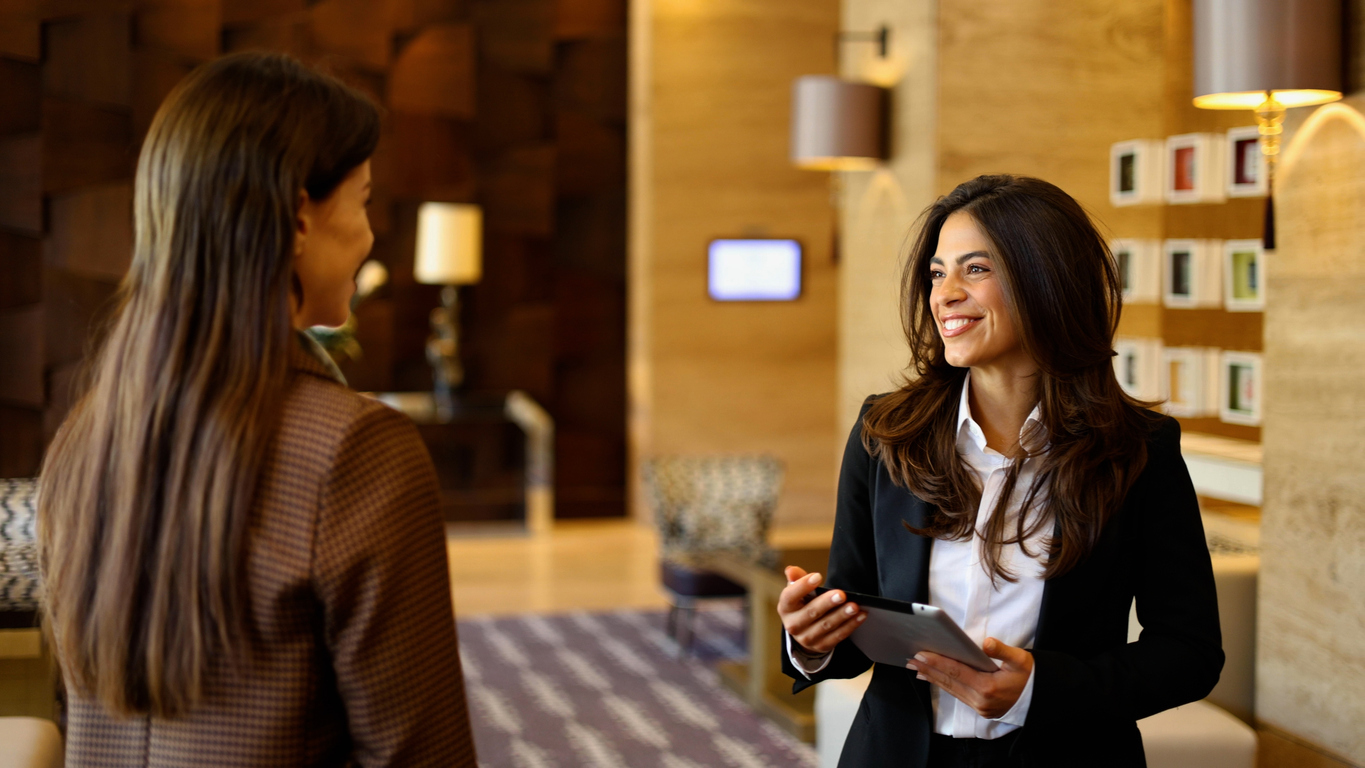 Personalization works best when it makes a guest’s stay easier and more enjoyable, not when it feels intrusive. The goal is to use information guests have willingly shared to deliver more relevant experiences while respecting their privacy and preferences.
What a Personalized Guest Journey Looks Like
Effective personalization focuses on meaningful improvements rather than flashy technology. Examples include:
- Automatically assigning a preferred room type or floor by default based on previous stays (always ensure the guest can change it if they would like).
- Recommending relevant upgrades or packages instead of generic offers.
- Recognizing returning guests with a personalized welcome or tailored amenities.
- Remembering communication preferences, such as email or text updates.
Where Personalization Data Should Live
Personalization is only effective when guest information is accurate and accessible. If preferences are scattered across spreadsheets, email inboxes, or separate systems, staff have an incomplete view of the guest and opportunities are easily missed.
A centralized guest profile keeps booking history, preferences, service requests, and communication records in one place. This shared view allows every department to deliver consistent, personalized service while reducing duplicate work and improving the overall guest experience.
Common Hotel Guest Journey Mistakes to Avoid
Even small gaps in the guest journey can lead to lost bookings, lower satisfaction, and missed revenue opportunities. Watch out for these common mistakes.
Disconnected Systems and Duplicate Guest Records
When your PMS, booking engine, POS, CRM, and guest messaging tools don’t share data, guests often pay the price. Staff may not see previous requests or preferences, guests may have to repeat information, and duplicate guest profiles can lead to inconsistent service.
Connect core systems so guest information flows across departments, creating a single, accurate guest profile.
Over-Automating the Guest Experience Journey
Automation can speed up routine tasks, but it shouldn’t replace genuine hospitality. Guests appreciate the convenience of self-service for check-in, payments, and simple requests, yet they still expect personal attention when they have questions, special requests, or problems.
Automate repetitive processes while ensuring staff are available for moments that require empathy, judgment, and personalized service. The best guest journeys balance efficiency with human interaction.
How AI Supports the Modern Guest Journey
Artificial intelligence is becoming a practical tool for improving the guest journey, but its greatest value comes from supporting hotel teams rather than replacing them.
AI in the Hotel Guest Journey Today
Many hotels already use AI behind the scenes to improve everyday operations. Common applications include:
- Demand pattern recognition to anticipate occupancy trends and support pricing decisions.
- Proactive service suggestions based on guest preferences or booking details, such as room upgrades or relevant add-ons.
- Faster response times by helping answer routine guest questions and routing requests to the right team.
Hotel Guest Journey Automation That Still Feels Human
While automation isn’t AI, the two technologies still work closely together. The most effective automation handles routine processes while leaving meaningful guest interactions to people, which AI assists with by doing the above.
For example, hotels can automate booking confirmations, pre-arrival reminders, digital check-in, payment processing, and post-stay review requests. Staff, meanwhile, remain focused on welcoming guests, resolving issues, handling special requests, and creating memorable moments that technology can’t replicate.
The result is a guest journey that feels both efficient and personal, combining the speed of automation with the warmth of genuine hospitality.
Choosing Hotel Guest Journey Software
 The right guest journey software should support the entire guest experience, not just one stage of it. Rather than adding another standalone application, look for technology that connects departments, shares guest data, and helps staff deliver a more consistent experience from booking through post-stay engagement.
What to Look for in Guest Journey Hospitality Technology
When evaluating guest journey software, prioritize solutions that offer:
- Deep integrations with your existing hotel systems to eliminate data silos.
- Mobile support for features such as digital check-in, guest messaging, and mobile payments.
- Touchpoint reporting that shows how guests interact with your property and where improvements are needed.
- Centralized guest profiles that give every department access to the same up-to-date information.
Connecting PMS, RMS, and Guest Communication Tools
A seamless guest journey depends on systems that work together. When your property management system (PMS), revenue management system (RMS), booking engine, payment platform, and guest communication tools share data, staff gain a complete view of each guest and can respond more quickly and accurately.
An integrated hospitality ecosystem, such as one provided by Zuchetti North America,, illustrates how connected systems can support a smoother guest journey. With guest information flowing across the entire technology stack, hotels can reduce manual work, improve personalization, and deliver a more consistent experience without constantly switching between disconnected applications.
Building a Seamless Guest Journey: Key Takeaways
Improving the guest journey does not require changing everything at once. The most successful hotels focus on removing friction, connecting systems, and making every interaction more consistent.
Guest Journey Improvement Checklist
- Map every guest touchpoint from discovery and booking through post-stay communication.
- Identify where guests experience delays, confusion, or repeated requests.
- Connect core systems so guest data flows across departments.
- Use automation to simplify routine tasks, not replace personal service.
- Centralize guest profiles to support personalization and better staff visibility.
- Measure key touchpoints regularly using guest feedback and operational data.
- Review and update your guest journey map as guest expectations evolve.
Want to learn how a connected PMS, CRS, and RMS can reduce service friction across your property? Explore the Zucchetti North America technology ecosystem:
Have questions about where to start? Contact our team and we’ll help you identify the right technology mix for your property.



Related Articles
10 Hotel Digital Marketing Strategies for Direct Bookings
A traveler searches for your hotel, compares a few options, visits your website, then books...
What Is Hospitality Experience? A Guide for Hoteliers
A guest never sees the systems running in the background: the booking engine, the PMS,...

9 Hotel Marketing Ideas to Boost Occupancy
Independent hotels and regional hotel groups face a difficult reality: they’re competing for the same...

North America
Zucchetti North America offers hospitality solutions to hotels and other lodging providers, as well as on-site dining operations across North America.
Quick Links
Contact Us

34 West Oak St, Sturgeon Bay, WI 54235
7901 Kingspointe Pkwy Ste 9, Orlando, FL 32819
500 SW 116th Ave, Portland, OR 97225

+1.503.343.4263

sales@zucchettinorthamerica.com
©2026 Zucchetti. All rights reserved.