

How to Choose the Right Hotel Reservation System

Table of Contents
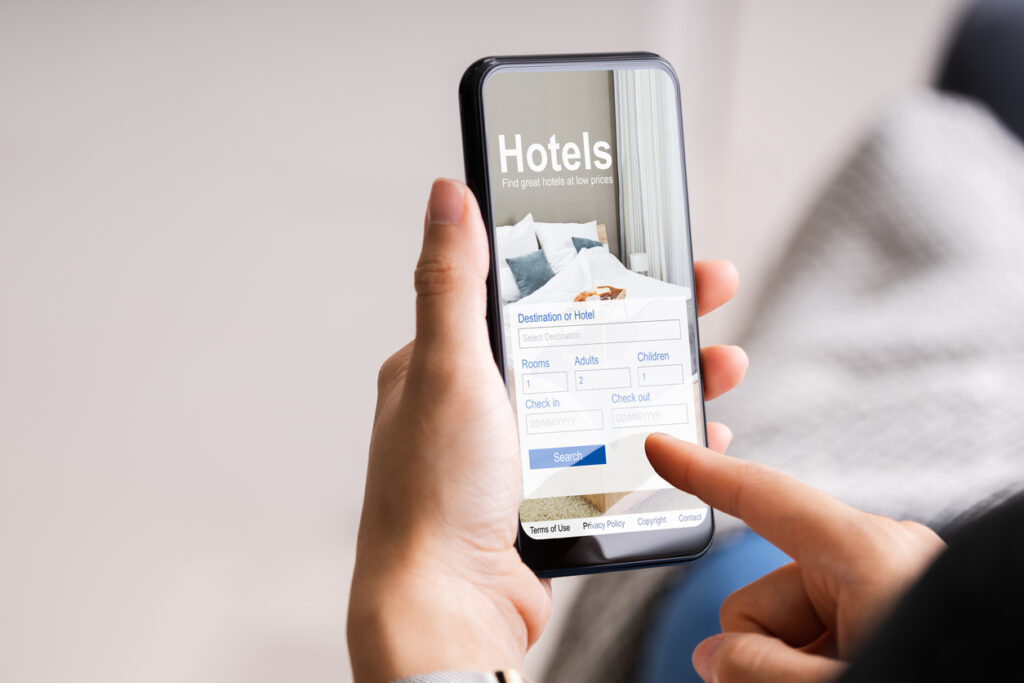
A great stay starts long before check-in. It starts the moment a guest searches availability, compares room types, and decides to book. That entire experience is powered by your hotel reservation system. When it works seamlessly, guests move from browsing to confirmed booking in seconds. When it doesn’t, they leave just as fast.
For hotel operators, the right hotel reservation booking system does more than process transactions. It controls inventory, syncs rates, reduces overbookings, and influences revenue every single day. Choosing the wrong one can quietly drain profitability. Choosing the right one can sharpen operations and increase direct bookings.
So how do you separate marketing promises from real functionality? Let’s break down what actually matters when selecting a reservation system for hotel operations.
Key Takeaways
- A hotel reservation system manages inventory, rates, workflows, and integrations beyond simple booking capture.
- Prioritize a single-vendor ecosystem where PMS, CRS, and RMS communicate in real-time to prevent overbookings.
- Use built-in loyalty tools and price comparison widgets to reduce OTA dependency and high commission costs.
- Select API-first, scalable technology that can adapt to AI-driven travel assistants and new digital sales channels.
- Partner with vendors who offer 24/7 hospitality-specific support and deep expertise in the North American market.
Understanding Hotel Reservation Management Beyond Bookings
Most hoteliers think about bookings first. But strong hotel reservation management goes far beyond capturing a credit card and sending a confirmation email. A modern hotel reservation system must manage inventory, coordinate departments, and protect revenue across every distribution channel.
Reservation Management vs. Simple Booking Tools
| Function | Simple Booking Tool | Full Hotel Reservation System |
| Captures reservations | Yes | Yes |
| Real-time room inventory control | Limited or manual | Automated and synchronized |
| Rate management | Basic | Dynamic, multi-channel |
| Modification handling | Manual updates | Automated workflows |
| Reporting and forecasting | Minimal | Advanced analytics |
| Integration with PMS/RMS | Rare | Standard capability |
There’s a major difference between a tool that collects bookings and a true hotel reservation and booking system that manages them. A basic hotel booking reservation system focuses on front-end conversion. A full reservation system for hotels manages what happens after the “Book Now” button is clicked.
Operational workflows matter because bookings trigger real-world consequences:
- Housekeeping scheduling
- Front desk room assignments
- Revenue adjustments
- Payment processing
- OTA inventory updates
If your hotel reservation platform fails to sync these processes, staff must compensate manually, which increases error rates.
Managing Modifications, Cancellations, and Overbookings
Guests change plans constantly. That means your hotel room reservation booking system must handle constant adjustments without breaking inventory accuracy.
Key challenges include:
- Real-time inventory synchronization across OTAs and direct channels
- Handling partial stay changes
- Avoiding duplicate room allocation
- Updating rates when policies change
Without automation, staff manually adjust room counts, increasing the risk of overselling. Overbookings don’t just frustrate guests; they also damage reviews and loyalty.
A modern hotel booking and reservation system reduces risk through:
- Automated channel updates
- Instant availability recalculations
- Policy-driven cancellation workflows
- Alert systems for inventory conflicts
Automation reduces human error significantly. Studies show that automation can lower administrative mistakes by more than 60% compared to manual reconciliation.
In short, managing reservations is about protecting revenue and reputation, not just filling rooms.
How a Hotel Reservation System Integrates With Other Hospitality Software
 A hotel reservation system doesn’t operate alone. It sits at the center of a larger technology ecosystem. The more connected it is, the smoother your operations become.
Property Management Systems (PMS)
The PMS runs daily hotel operations, including check-ins, housekeeping, billing, and room status.
When integrated with the hotel reservation platform, the following happens:
- Reservations flow automatically into the PMS
- Room availability updates instantly
- Front desk staff see real-time booking details
- Guest profiles remain consistent across stays
For example, Zucchetti’s Lodgical Solution PMS manages everything from traditional hotel rooms to campsites and boat slips.
Without PMS integration, staff duplicate data entry. That slows check-in and increases errors. A reservation system for hotel operations must sync bi-directionally with the PMS to prevent discrepancies.
Revenue Management Systems (RMS)
An RMS, like Zuchetti’s Lybra RMS, analyzes demand patterns and adjusts pricing dynamically. When your hotel reservation management system integrates with an RMS, you can expect the following:
- Rates adjust automatically based on occupancy and demand
- Pricing updates distribute instantly across channels
- Forecasting becomes more accurate
Hotels using dynamic pricing tools have reported revenue increases between 5% and 10% compared to static pricing models. Integration ensures those optimized rates actually reach the booking engine.
Channel Managers
A channel manager acts as the bridge between your hotel room reservation booking system and the global market. It connects you to GDS networks (reaching 600,000+ travel agents) and hundreds of OTAs simultaneously, ensuring your rates are always optimized where bookings occur.
Integration ensures:
- Centralized inventory control
- Real-time availability updates
- Reduced risk of overselling
- Consistent rate parity
A hotel reservation booking system connected to a channel manager prevents the common problem of selling the same room twice across multiple platforms.
Guest Experience Platforms
Integration here allows for self-service check-ins and automated guest messaging. It meets the rising guest expectation for a “frictionless” digital journey, transforming a standard stay into a repeatable experience.
When integrated:
- Booking data triggers personalized messaging
- Upsell offers reflect real availability
- Guest preferences carry into future stays
Personalization matters. Research shows that 81% of customers prefer hotels that offer personalized experiences. A connected hotel reservation platform makes that possible.
Point of Sale (POS) Systems
Integration with a POS like TCPOS by Zuchetti ensures that a guest’s dinner or spa treatment is automatically billed to their room. This eliminates the need for manual end-of-day reconciliation and ensures your revenue data is accurate across every department.
Integration benefits include:
- Charges posted directly to room accounts
- Unified guest folios
- Improved reporting on total guest spend
A fully integrated hotel reservation and booking system gives operators visibility beyond room revenue. It connects room bookings to total property performance.
How to Choose the Right Reservation System for Hotels
 Selecting a hotel reservation system is less like buying software and more like hiring a silent business partner. If that partner is clunky, slow, or refuses to talk to your other staff (or systems), your entire guest experience suffers.
With the hospitality tech market projected to grow significantly as hotels move toward “autonomous” operations, picking a platform that fits your specific DNA is the difference between scaling up or just spinning your wheels.
Here’s how to do it effectively.
1. Evaluate Your Hotel’s Operational Needs
The needs of a 20-room boutique inn in Door County, Wisconsin, are worlds apart from a 500-room metropolitan conference center. Your hotel reservation booking system should match your complexity. Do you manage alternative inventory like campsites or boat slips alongside traditional rooms?
Systems like Zuchetti excel here because they handle diverse property types within one interface. Don’t pay for enterprise-level features you’ll never touch, but don’t settle for a basic tool that breaks the moment you try to manage a group booking.
2. Assess Integration Requirements
A standalone hotel reservation and booking system is an island, and islands are lonely (and inefficient). Your tech stack needs to be a conversation, not a series of shouted monologues.
Look for a single-vendor ecosystem where your CRS, PMS, and RMS share a heartbeat. Real-time integration ensures that when an RMS adjusts a rate based on local flight demand, that price is instantly live across your hotel booking reservation system and all OTA channels without a human needing to click “save.”
3. Consider Usability for Staff and Guests
If your staff needs a PhD to check a guest in, your turnover costs will skyrocket. High-quality hotel reservation management software should be intuitive enough for a new hire to navigate on day one.
On the flip side, the guest-facing hotel room reservation booking system must be frictionless. Modern travelers expect a two-click booking process. If your mobile interface is clunky, you’re essentially handing commissions over to Expedia because guests will give up on your direct site and book where it’s easier.
4. Review Scalability and Flexibility
Your current needs will evolve, and the right hotel booking and reservation system must grow with you.
Therefore, assess:
- Ability to add new properties under one centralized system
- Multi-currency and multi-language support
- Expansion into new OTA channels
- Support for packages, dynamic pricing, and loyalty programs
If you plan to scale, ensure the hotel reservation management infrastructure can handle increased inventory and distribution complexity without requiring a full system replacement.
Flexibility also includes policy management. Can you quickly adjust cancellation rules or rate plans? In volatile travel markets, policy agility directly affects revenue performance.
5. Evaluate Vendor Support and Implementation
Software is only as good as the people standing behind it. When the Wi-Fi goes down, or a guest has a bizarre billing query at 11:00 PM, you need a support model that understands hospitality, not just code.
Look for vendors who offer comprehensive onboarding and “boots-on-the-ground” expertise. A provider that treats you like a ticket number is a liability, but a partner that understands the specific nuances of the North American market, from tax requirements to seasonal demand, is an asset.
Hotel Reservation System Evaluation Checklist
Use this checklist to vet your potential hotel reservation platform providers:
| Evaluation Criteria | Priority | What to Look For |
| Real-time Sync | Critical | Bi-directional updates between PMS and OTAs (under 2 minutes). |
| Mobile Optimization | High | A booking engine that converts on smartphones as well as desktops. |
| Direct Booking Tools | High | Built-in price comparison widgets and loyalty triggers. |
| Reporting & Analytics | Medium | Ability to track “look-to-book” ratios and source-of-business data. |
| API Openness | Medium | Can it connect to third-party guest messaging or keyless entry apps? |
| 24/7 Support | Critical | Live support from people who actually know what a “night audit” is. |
Common Mistakes When Selecting a Hotel Reservation System
 Even the most seasoned hoteliers can trip up when upgrading their tech stack. Avoiding these common pitfalls ensures your hotel reservation management strategy actually yields a return on investment rather than just adding another monthly subscription to your ledger.
1. Choosing Based on Features Alone
It’s easy to get blinded by a flashy dashboard or a long list of bells and whistles. However, features without operational context often lead to software bloat.
If a hotel reservation system for group multi-room bookings offers complex logic but your property primarily hosts solo business travelers, you’re paying for complexity you don’t need. Focus on the 20% of features that will handle 80% of your daily tasks.
2. Ignoring Integration Depth
There is a massive difference between systems that are connected via a basic API and those that are truly integrated. A surface-level connection might sync availability once an hour, leading to dreaded overbookings.
A truly integrated hotel reservation booking system offers bi-directional, real-time communication. Without this depth, your staff will still find themselves manually reconciling guest folios and OTA commissions, defeating the purpose of automation.
3. Underestimating Future Distribution Needs
Hotels often choose a hotel booking reservation system based on where they sell rooms today (usually Expedia and Booking.com). However, the landscape is shifting toward Agentic AI and conversational booking tools.
If your system isn’t “headless” or API-first, you’ll be locked out of future channels like AI travel assistants or direct social media booking integrations, forcing a costly system migration just a few years down the line.
Hotel Reservation System FAQs
 Let’s look at some of the most commonly asked questions about a hotel reservation system.
What Is the Difference Between a Hotel Reservation System and a Booking Engine?
A booking engine is the guest-facing interface on your website where travelers check availability and complete reservations. A hotel reservation system is the broader infrastructure behind it. It manages inventory, rates, reporting, modifications, and integrations with PMS, RMS, and channel managers.
In short, the booking engine captures demand. The hotel reservation and booking system manages it.
Is a Reservation System the Same as a PMS?
Not quite. A Property Management System (PMS) handles the “on-property” guest experience, including housekeeping, check-in, and room assignments. A hotel booking and reservation system (often part of a Central Reservation System or CRS) focuses on “pre-stay” logistics, including how the room is sold, at what price, and through which channel.
Can a Reservation System Help Reduce OTA Dependence?
Absolutely. By using a hotel reservation platform with built-in price-comparison tools and loyalty triggers, you can incentivize guests to book directly. Statistics show that properties with a seamless direct booking experience can reduce OTA commissions by up to 15-20%, keeping more revenue in-house.
How Long Does It Take to Implement a Reservation System?
Implementation timelines typically range from 4 to 8 weeks, depending on property size, data migration complexity, integration requirements, and staff training needs. Multi-property deployments may take longer.
A structured onboarding process significantly reduces disruption. The right hotel reservation management partner prioritizes data accuracy, staff training, and phased rollout to ensure operational continuity.
Conclusion: Making the Right Hotel Reservation System Decision
Choosing a hotel reservation system is not a short-term technology upgrade. It is a long-term operational decision that shapes how you manage inventory, control revenue, support staff, and serve guests.
A modern reservation system for hotels should align with your property’s size, growth plans, and competitive positioning. It must integrate deeply with your PMS, RMS, channel manager, and booking engine while remaining intuitive for both staff and guests. Most importantly, it should support your broader business goals, whether that means increasing direct bookings, expanding to new properties, or optimizing profitability per available room.
If you are evaluating your next hotel reservation booking system, take the time to choose a partner that understands hospitality operations at scale.
Contact us to explore how a fully integrated hotel reservation and booking system can strengthen your operations today and support your growth tomorrow.






Related Articles

Central Reservation System (CRS): A Practical Guide for Hotels
Hotels run on inventory, timing, and trust. When a guest clicks “Book Now,” there’s no...

North America
Zucchetti North America offers hospitality solutions to hotels and other lodging providers, as well as on-site dining operations across North America.
Quick Links
Contact Us

34 West Oak St, Sturgeon Bay, WI 54235
7901 Kingspointe Pkwy Ste 9, Orlando, FL 32819
500 SW 116th Ave, Portland, OR 97225

+1.503.343.4263

sales@zucchettinorthamerica.com
©2026 Zucchetti. All rights reserved.