

Hotel Technology Guide: Tools That Improve Guest Experience

Table of Contents

Hotels don’t compete on location alone anymore. Guests judge a stay by how easy it is to book, check in, control the room, and get help when they need it. That shift has pushed hotel technology and broader technology in the hotel industry from back-office support to front-and-center strategy.
From mobile keys to AI-driven messaging, the right technology hotel stack directly shapes guest satisfaction, reviews, and repeat bookings. And with hotel technology news constantly highlighting new tools and integrations, it’s easy to feel like you’re always one upgrade behind.
The real question isn’t which shiny tool to try next. It’s how technology in hotel operations actually improves the guest journey while making life easier for your team. Let’s look at the tools that matter, and why they matter to both guests and operators.
- Modern hotel technology directly impacts guest satisfaction, reviews, and repeat bookings.
- Hotel technology automates backend tasks, allowing staff to focus entirely on high-value guest interactions.
- Integrating systems like Lodgical Solution PMS by Zucchetti ensures a single source of truth for consistent, personalized service.
- AI tools like RMS help hoteliers anticipate market demand and optimize pricing in real-time.
- An API-first tech stack enables properties to scale and adopt emerging innovations, such as conversational AI booking.
Why Modern Hotel Technology Plays an Essential Role in Enhancing Guest Experience
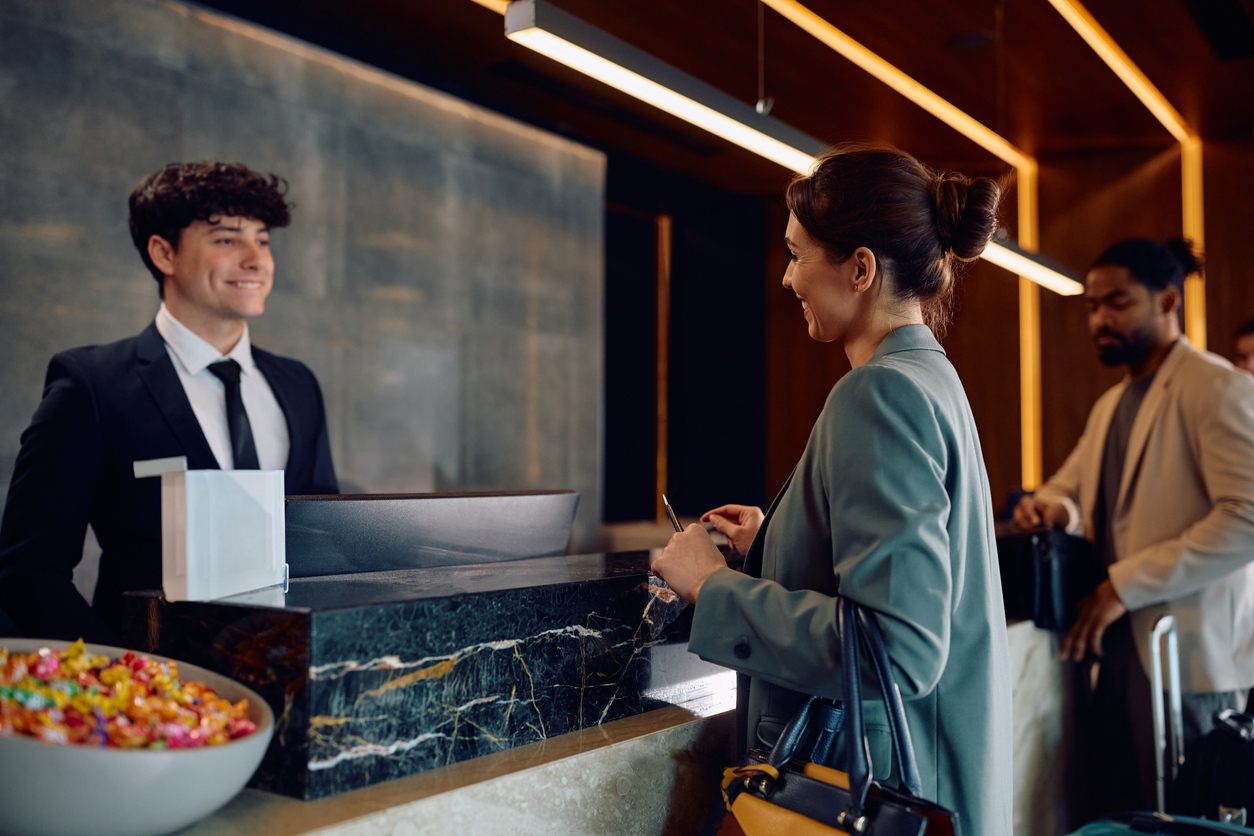 Modern guests expect hotel experiences to match the convenience of the apps they use daily. Technology in the hotel industry now directly influences satisfaction scores, online reviews, and loyalty. According to industry research, more than 70% of travelers prefer properties offering digital services such as mobile check-in and contactless payments. That preference is no longer niche. It is mainstream.
Hotel technology and advanced operational systems help hotels respond to these expectations in real time. When systems work seamlessly together, service becomes faster, more accurate, and more personalized. When they don’t, friction shows up quickly in guest feedback.
How Advanced Hotel Technology in Operations Directly Impacts Guest Satisfaction
Efficiency behind the scenes is the most direct route to a happy guest. If your operational technology hotel stack is fragmented, the guest feels the friction through long wait times and lost requests.
Advanced technology in hotel operations enables:
- Faster Service & Fewer Errors: Automated workflows ensure that a request for extra towels doesn’t get lost in a paper trail.
- Deep Personalization: Modern systems enable you to recognize repeat guests the moment they book, rather than at checkout.
- Frictionless Transitions: From the first click on a booking engine to the final digital folio, a unified system removes the “re-entry” of data that kills the vacation vibe.
Guest-Facing Hotel Technology That Shapes the Stay
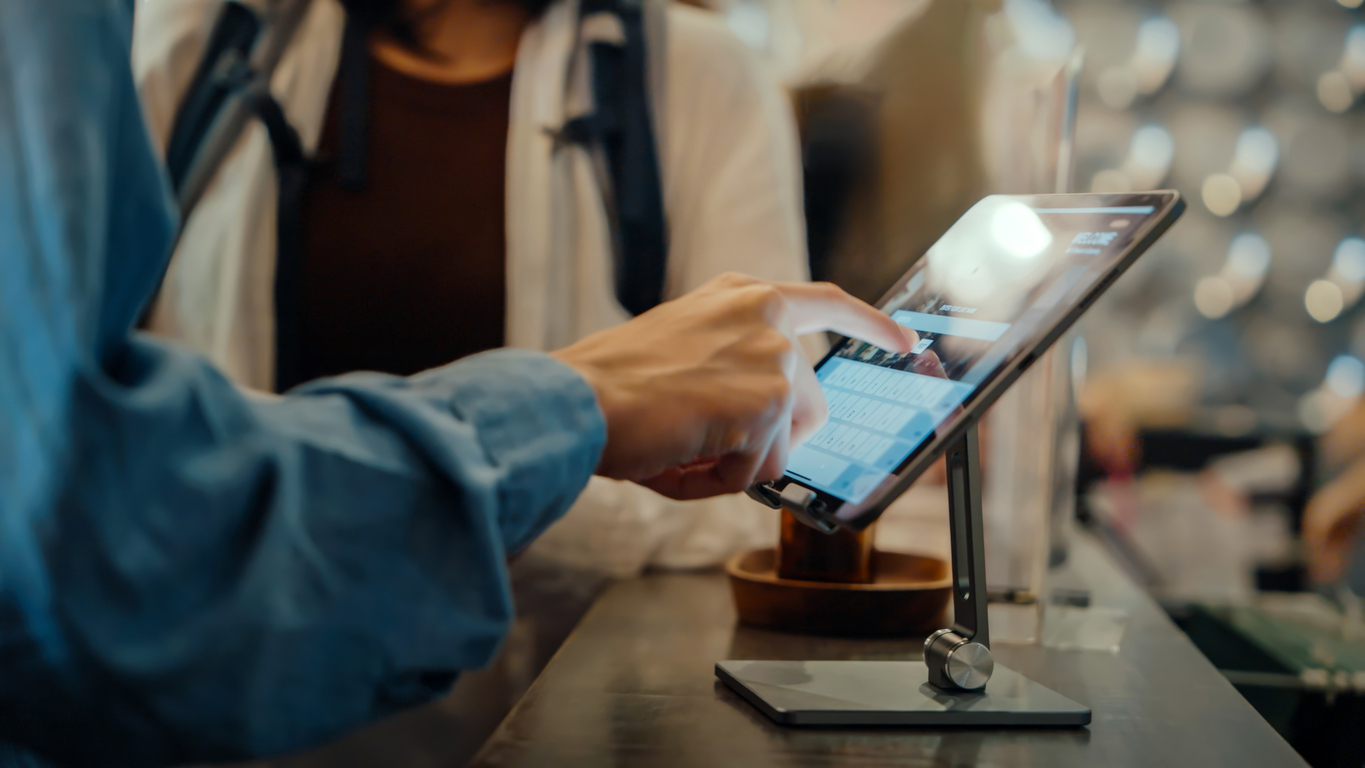 Guest-facing hotel technology defines how your brand is experienced at every stage of the journey—from the first online search to post-stay feedback. It includes the digital tools that power booking, streamline arrival, enable real-time service during the stay, and maintain engagement after departure.
When these systems work together, they reduce friction, increase transparency, and give guests greater control over their time and preferences. When they do not, the experience feels fragmented.
Digital Booking and Pre-Arrival Tools
The guest experience begins long before arrival. Your booking engine is often the first true interaction a traveler has with your brand, and it sets expectations for everything that follows.
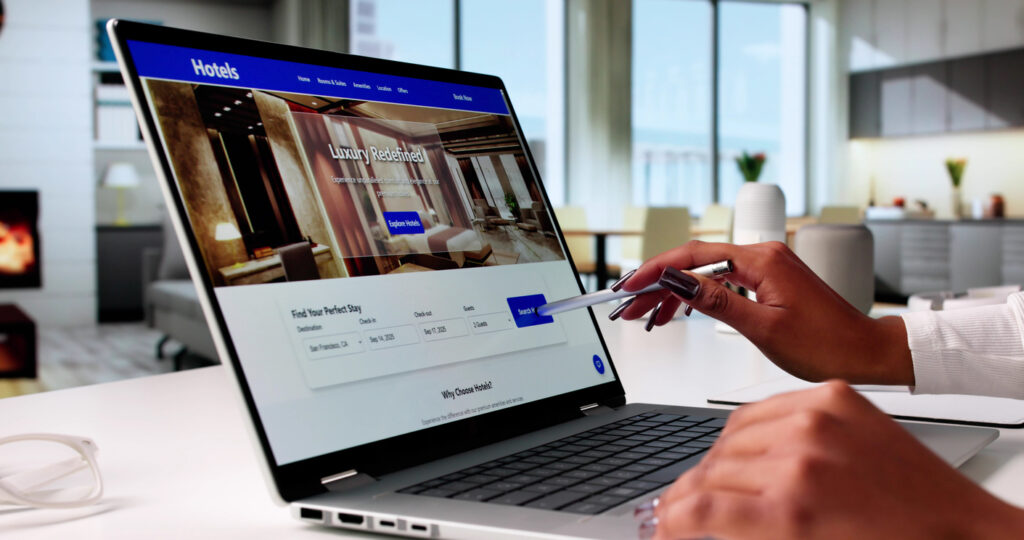
A modern solution, such as Simple Booking IBE by Zucchetti, ensures the reservation process is intuitive, mobile-friendly, and frictionless. Clear room descriptions, transparent pricing, and fast load times build trust at the most critical moment—when the guest is deciding whether to book.
Collecting a credit card is only part of the transaction. The real opportunity lies in using booking data to understand preferences and present relevant enhancements. Thoughtful pre-arrival upsells—such as late checkout, spa packages, parking, or dining experiences—improve revenue while elevating perceived personalization.
When booking and pre-arrival tools work intelligently, the guest arrives feeling prepared, valued, and already connected to your property.
Mobile Check-In, Digital Keys, and Self-Service
Nobody wants to stand in a line to check in, especially when better options are available. By empowering guests with mobile check-in and digital keys, you reduce front-desk queues and give travelers the one thing they value most: control over their own time.
In-Stay Communication and Service Requests
During the stay, speed and clarity matter most. Messaging platforms integrated into hotel systems allow guests to:
- Request housekeeping or maintenance
- Ask concierge questions
- Report issues instantly
Instead of calling the front desk and waiting, guests send a message and receive updates in real time. Hotels that implement integrated communication tools often report faster response times and improved satisfaction scores.
Behind the scenes, POS systems such as TCPOS by Zuchetti streamline restaurant and bar transactions, ensuring charges post accurately to guest folios. This reduces billing disputes at check-out and enhances professionalism.
Post-Stay Engagement and Feedback
Guest engagement doesn’t end when they leave. Post-stay engagement influences loyalty and reputation.
Modern hotel technology supports:
- Automated survey distribution
- Review monitoring and response workflows
- Reputation management dashboards
- Guest segmentation for targeted follow-ups
Hotels that actively manage feedback can identify recurring service issues and implement measurable improvements. A structured feedback loop turns complaints into operational upgrades.
Guest Journey vs. Supporting Hotel Technology
| Stage | Supporting Technology | Impact on Guest |
| Discovery | Metasearch & GDS Connectivity | Visibility on Online Travel Agencies (Booking.com, Expedia, Trip.com, etc.) |
| Booking | Simple Booking IBE | Intuitive, fast, and secure reservation. |
| Arrival | Self-Service Check-In | Zero wait times and instant room access. |
| Stay | Integrated TCPOS | Seamless charging of meals and retail to the room. |
| Departure | Digital Folio & Feedback | Quick exit and feeling “heard” by the hotel. |
Integration Matters More Than Individual Tools
 The biggest mistake a hotelier can make is buying best-in-class tools that refuse to talk to each other. Disconnected systems create data silos (where data is isolated in a particular tool or system), leading to inconsistent service and exhausted staff who must manually move data between screens.
The Value of an Integrated Hotel Technology Stack
An integrated technology hotel stack creates a single source of truth for guest data. This enables:
- Real-time room availability updates
- Unified guest profiles
- Accurate billing across departments
- Clear reporting for management
When systems such as PMS, CRS, POS, and revenue management tools work together, departments operate in sync. Front desk, housekeeping, food and beverage, and revenue teams can access the same data.
Revenue management solutions like Lybra RMS by Zuchetti rely on accurate, centralized data to forecast demand and optimize pricing. Without integration, forecasts become less reliable and pricing strategies less effective.
How Integration Improves Personalization
Personalization depends on reliable data. Integrated systems allow hotels to:
- Recognize repeat guests across stays
- Store preferences consistently
- Deliver tailored offers
- Maintain service consistency across properties
For multi-property groups, shared data across locations ensures that returning guests receive a familiar, personalized experience, regardless of destination.
Hotel technology amplifies these capabilities by analyzing patterns in booking behavior, spending, and feedback to recommend targeted offers or operational adjustments.
Emerging Hotel Technology Trends to Watch
Hotel technology is shifting from reactive management tools to proactive, intelligence-driven systems. The most important trends shaping the industry today include service-enhancing automation, predictive AI that anticipates demand and guest needs, and centralized platforms that give multi-property operators portfolio-wide control without sacrificing local flexibility.
Together, these innovations help hotels operate more efficiently, respond faster to market shifts, and deliver more consistent guest experiences across properties.
1. Automation That Supports, Not Replaces, Service
Automation in technology in the hotel industry works best when it enhances human hospitality rather than replacing it.
Examples include:
- Automatic task assignment to housekeeping
- Real-time maintenance alerts
- Inventory updates across departments
- Automated rate adjustments
These tools free staff from repetitive administrative work, allowing more time for meaningful guest interaction.
2. AI and Predictive Insights in Guest Experience
AI-driven systems analyze historical and real-time data to forecast occupancy trends, staffing needs, guest spending behavior, and preferred room types.
Predictive insights enable proactive service. Hotels can anticipate high-demand dates, adjust pricing strategies, and allocate staff efficiently. Personalized recommendations based on previous stays also increase ancillary revenue opportunities.
3. Centralized Control for Multi-Property Operators
Multi-property operators require portfolio-wide visibility without sacrificing local character. This ensures that, whether a guest stays at your urban hotel or your coastal resort, the brand standard remains consistent while the local team maintains the flexibility to address unique property needs.
At the same time, properties retain the flexibility to tailor experiences to local markets. This balance between standardization and customization is critical for scaling operations effectively.
Questions Hoteliers Should Ask Before Adopting New Hotel Technology
 Before signing a contract for the latest shiny object, ask these three critical questions:
Does This Technology Reduce Friction for Guests?
The most important test for any hotel technology is simple: does it remove steps, or does it add them?
If a system streamlines internal workflows but introduces confusion, extra clicks, or longer wait times for the guest, the overall experience suffers. Operational efficiency cannot come at the expense of usability.
Does It Help Staff Deliver Better Hospitality?
The best hotel technology solutions are the ones staff actually enjoy using. If a system is too complex, it leads to errors and high training costs. Look for tools with hospitality in their DNA that mirror real-world workflows.
Will It Scale as Guest Expectations Evolve?
The industry is shifting toward agentic AI and conversational booking. Ensure your tech stack is built on an API-first philosophy so you can plug in future innovations without tearing down your entire digital foundation.
Conclusion: Hotel Technology as a Guest Experience Strategy
Ultimately, the most effective technology in the hotel industry is that which hums quietly in the background, removing barriers so genuine hospitality can shine. By prioritizing consistency, speed, and deep personalization, you transform digital tools into a guest experience strategy that drives lasting loyalty.
Whether through AI-driven insights or seamless mobile transitions, the goal remains the same: a frictionless stay that feels effortless for both the guest and your staff.
Ready to future-proof your property with an integrated, high-performance tech stack? Contact Zucchetti today to discover how our unified solutions can elevate your guest experience.






Related Articles

5 Best Hotel Business Intelligence Software for Smarter Decisions
Running a hotel means managing a massive amount of data, from occupancy rates and room...

Hospitality IT Solutions: Building an Integrated Ecosystem
Imagine a boutique hotel juggling multiple vendors, manually updating rates, and tracking occupancy across dozens...

North America
Zucchetti North America offers hospitality solutions to hotels and other lodging providers, as well as on-site dining operations across North America.
Quick Links
Contact Us

34 West Oak St, Sturgeon Bay, WI 54235
7901 Kingspointe Pkwy Ste 9, Orlando, FL 32819
500 SW 116th Ave, Portland, OR 97225

+1.503.343.4263

sales@zucchettinorthamerica.com
©2026 Zucchetti. All rights reserved.