

Mobile Point of Sale for Hotels: Systems & Benefits

Table of Contents
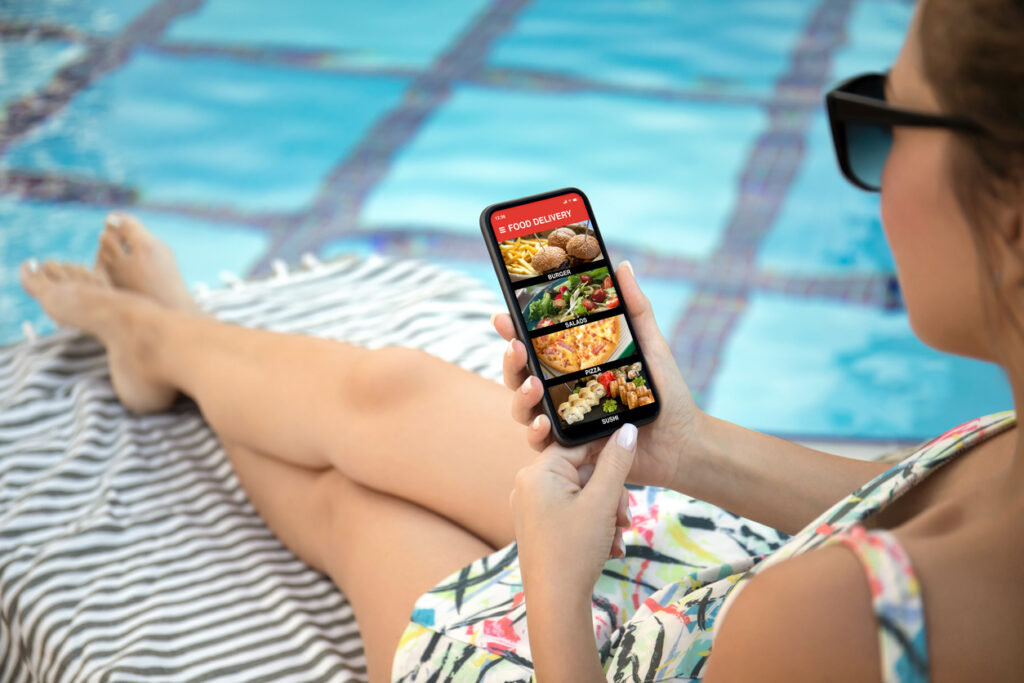
Imagine a guest relaxing at your poolside bar with a drink in hand, chatting effortlessly with friends. When it is time to pay, they simply tap their phone against a mobile device held by their server, never missing a beat of the conversation. There are no paper receipts to sign, no running back and forth to a fixed counter, and zero friction.
Contrast this with the traditional hospitality model. Guests are often forced to wait around a stationary cash register, or worse, their charges are manually scribbled down on paper to be keyed into the system later, creating room for errors during checkout.
Every single point of friction is a moment of lost satisfaction, and potentially lost revenue. But mobile systems allow hotels to shift away from this model. When a mobile point of sale system is deeply integrated with your property management system, it completely changes how your entire property runs.
- Eliminating Service Friction: Mobile point of sale devices untether your staff from fixed counters, allowing them to serve guests directly at the point of interaction, whether that is poolside, at a hotel restaurant, or during a specialized activity.
- Unified Data Flow: The most effective mobile point of sale solutions should integrate directly with your hotel PMS, creating one version of truth and allowing charges to sync instantly across multiple property locations.
- Enhanced Revenue Capture: Utilizing mobile point of sale software speeds up workflows and maximizes sales opportunities across diverse business environments without placing a heavy administrative burden on your team.
- Streamlined Guest Experiences: Transitioning to a mobile point of sale terminal gives modern travelers the seamless, digital, and flexible payment methods they expect, helping independent hotels successfully compete against major chains.
What Is a Mobile Point of Sale? A Hotel-Focused Definition

In plain terms, a mobile point of sale (mPOS) system is a technology that allows your staff to process payments, input orders, and manage guest transactions from absolutely any location on your property using a handheld device. Instead of being anchored to a fixed, counter-based cash register, your team uses smartphones, tablets, or dedicated wireless terminals.
For hotels, this means the point of transaction is no longer a physical destination where guests must line up. Instead, point of sale mobile capabilities bring the register directly to the guest, whether they are lounging poolside, sitting on a patio, attending a conference, or checking in at a remote pavilion. It untethers your operations so that staff can focus on providing great service rather than carting the customer off to a counter to pay, or keeping track of tabs.
Comparing Modern Mobility to Legacy Systems
To understand how implementing the best mobile point of sale technology fundamentally changes hotel operations, it helps to look at how it stacks up against legacy infrastructure.
Here is a breakdown of the key operational differences between a modern mobile point of sale system and traditional fixed point of sale setups:
| Operational Dimension | Mobile Point of Sale (mPOS) | Traditional Fixed POS |
| Transaction Location | Anywhere on or off-property (poolside, events, beach, room-side). | Restrictive, fixed service counters or front desks. |
| Hardware Requirements | Lightweight smartphones, tablets, and compact Bluetooth readers. | Bulky terminals, dedicated monitors, cash drawers, and wired peripherals. |
| Staff Mobility | Fully untethered, staff move freely to serve guests dynamically. | Stationary; staff must repeatedly walk back to a central terminal. |
| Guest Experience Impact | Fast, frictionless checkout with digital receipts and minimal wait times. | Prone to bottlenecks, physical lines, and slower service delivery. |
| Integration Capability | Cloud-based, real-time syncing with PMS, CRM, and kitchen systems. | Often relies on batch-processing or rigid, legacy surface-level APIs. |
How Mobile Point of Sale Systems Work in a Hotel Environment
Implementing mobile point of sale systems requires cloud-based software and specialized physical hardware to work together. At a typical hotel, transactions are usually executed using two device setups::
- Smartphones or Tablets: Properties utilize either property-issued devices or managed corporate smartphones and tablets running dedicated mobile point of sale software. These larger screens are ideal for restaurant servers or concierge staff who need to view extensive menus, seating charts, or guest profiles.
- Compact Card Readers: These pocket-sized mobile point of sale devices pair via Bluetooth or Wi-Fi with a smartphone or tablet to accept secure chip insertion, tap-to-pay, and digital wallets like Apple Pay and Google Pay.
Key Hardware Considerations for Hotels
Choosing the best mobile point of sale systems for small business operations or enterprise boutique resorts depends heavily on hardware durability and reliability. When auditing mobile point of sale solutions, hotel IT and operations managers must look at several important things:
- Battery Life for Extended Shifts: Hotel shifts routinely span 8 to 12 hours. Look for mobile point of sale terminal hardware that supports hot-swappable batteries or commercial-grade power management to avoid device downtime during peak dinner rushes or high-volume event check-ins.
- Durability for Outdoor and High-Use Environments: Devices deployed at poolside bars, beachfront amenities, or outdoor wedding venues face exposure to water, sand, drops, and extreme temperatures. Hardware should feature high IP (Ingress Protection) ratings and ruggedized casings to safeguard your investment.
- Robust Connectivity Requirements: Seamless operation relies on unbroken connectivity. The best mobile point of sale hardware supports dual-band Wi-Fi and includes cellular SIM card backups. The cellular service ensures that if a server steps out of the property’s primary Wi-Fi zone to serve a guest on the golf course, the transaction can still process instantly without a dropped connection.
- Peripheral Compatibility: Your mobile software must communicate flawlessly with existing infrastructure. Ensure your chosen solution offers seamless compatibility with wireless Bluetooth receipt printers, mobile belt-clip printers, and kitchen display systems (KDS) so order tickets route to the kitchen the second they are taken at the table.
- Rigorous Security Certifications: Security can’t be compromised when processing sensitive guest payment data on the move. Prioritizing point-to-point encryption (P2PE), PCI-DSS compliance, and SoC 2 mobile point of sale compliance matters deeply for robust data protection. Ensuring your system meets these standards minimizes the risk of costly data breaches and protects your brand’s reputation.
The Guest Experience Case for Mobile POS

When hospitality tech is restricted to fixed desktop counters, guests are constantly reminded of the administrative machinery behind their stay. By shifting to mobile operations, you replace rigid boundaries with fluid, memorable service.
Rather than focusing purely on technical product specifications, instead think about how the mPOS framework supports a typical guest’s journey across your property.
Poolside, Lobby, and Outdoor F&B Service
Picture a hot afternoon at your resort’s poolside lounge. Instead of making guests get up from their chairs to order drinks or forcing servers to run scribbled paper tickets back to a crowded inside counter, a team member circulates dynamically with a dedicated tablet. They take orders, send tickets instantly to the bar, and process transactions on the spot.
- Zero Transaction Friction: There are no credit cards carried away to hidden registers and no “I’ll run to the bar to charge this” excuses.
- Flexible Payment Methods: Guests can pay exactly how they want using secure EMV chip insertion, contactless tap-to-pay, or convenient mobile wallets right from their lounge chairs.
- No Bill Disputes: Processing orders instantly eliminates open-ended tabs and prevents end-of-stay charge disputes during checkout.
From a business standpoint, removing transaction friction has an immediate revenue impact.
In-Room Dining and Room Service
The traditional room service model often suffers from an archaic workflow. A server drops off a tray, hands over a flimsy paper slip, and searches for a pen so the guest can sign it. These paper tickets easily get lost in transit, resulting in unposted bills, or they contain illegible handwriting that causes front-desk friction at checkout.
Deploying mobile point of sale solutions transforms this in-room experience:
- At-the-Door Processing: Delivery staff utilize handheld mobile point of sale devices to securely process payments or post directly to the guest’s room folio.
- Contactless Preferences: This digital workflow flawlessly supports contactless delivery preferences, catering to modern travelers who prioritize privacy and touch-free interactions.
- Instant Folio Integration: Because the charge posts to the property management system (PMS) in real time, front desk agents always have access to a perfectly accurate folio. There is no final checkout scramble to track down missing morning breakfast receipts.
Event, Banquet, and Conference Services
Conferences, weddings, and corporate events represent highly lucrative but operationally chaotic environments. These gatherings create massive, temporary revenue centers that stationary counters simply cannot accommodate.
Using a flexible mobile point of sale terminal allows banquet managers to establish flexible, high-volume service stations on the fly. Staff can process beverage packages, custom equipment rentals, or sudden menu add-ons right on the showroom or ballroom floor. This dynamic agility dramatically reduces the risk of missed charges, a pervasive issue in large-scale event operations that can cost operators thousands in leaked revenue annually.
For hotels hosting multiple concurrent events, a mobile point of sale system allows teams to spin up new pop-up cash points instantly without requiring permanent, costly hardware installations.
Spa, Fitness, and Ancillary Revenue Centers
A guest’s journey often extends into areas built explicitly for relaxation and wellness, such as full-service spas or localized retail shops. Forcing a guest to stand at a reception desk immediately after a relaxing 90-minute massage disrupts the entire premium environment they just paid for.
By utilizing mobile point of sale software on property-issued smartphones or tablets, a therapist or attendant can complete transactions discreetly and professionally right inside the quiet treatment space.
The same elegant principle applies across all your ancillary hubs, whether checking out retail items at a boutique shop, reserving a court at a tennis center, or booking a specialized tour with the concierge. This way, the interaction is kept focused entirely on elite guest service..
Summary of Guest Touchpoints and Mobile POS Use Cases
To visualize how deploying the best mobile point of sale architecture elevates your service standards, consider this operational blueprint mapping out key property use cases:
| Outlet / Property Area | Transaction Type | Staff Device Recommended | Payment Methods Supported | Folio Integration Requirement |
| Poolside & Outdoor Patios | High-volume F&B ordering, premium towel/cabana rentals, and quick merchandise sales. | Ruggedized handheld smartphone or compact mobile point of sale terminal. | Contactless tap-to-pay, digital mobile wallets (Apple/Google Pay), and EMV chip. | Real-time lookup to verify active guest status and charge directly to the room folio. |
| In-Room Dining | Room service meals, late-night amenities, and minibar restocking adjustments. | Property-issued smartphone or secure mobile pin-pad reader. | Digital signature capture, room charge authorization, and card-present transactions. | Instantaneous folio posting to prevent checkout billing delays at the front desk. |
| Banquets & Conferences | Pop-up event bars, custom AV add-ons, and last-minute ticket entries. | Commercial-grade tablets paired with secure Bluetooth card readers. | Corporate credit cards, chip-and-pin, and pre-authorized event account billing. | Seamless routing to master event folios or individual guest profiles. |
| Spa & Wellness Centers | Therapy sessions, premium skincare product retail, and fitness classes. | Sleek, modern tablet displaying high-resolution retail menus. | Contactless tap, standard chip insertion, gift cards, and loyalty reward redemptions. | Full synchronization with guest profile histories to track wellness preferences. |
Real-World Example of Incorporating Mobile Point of Sale
It’s clear that convenience and ease of use are both key when it comes to providing a great experience for guests. The guest journey, from booking to departure, should be one seamless, easy experience. An integrated ecosystem is what allows operators to serve guests faster, remove friction, and ultimately drive repeat visits.
Enchanted Parks is a great example of this in action. Let’s say a family of four books a stay at the Great Escape Lodge, a super fun resort that offers an indoor water park, theme park, and accommodations all in one. From the moment that family steps onto the property, their payments, offers, and rewards are viewed as one credential (guest pass) across the entire resort. So every ticket, food, and ride purchase is easy and acessible—they don’t have to search their email for a coupon code, or risk carrying cash and paper ride tickets, they can just focus on having fun while knowing they’re getting the best deal.
Here’s what that looks like in practice:
- The guest books online
- They check in, and their profile is created automatically
- They enter the water or amusement park using their wristband, room key, or a mobile pass
- They redeem benefits, skip ride queues, and make food orders through mobile or in-person
- They get customized offers and rewards, which drives repeat stays and customer loyalty
Behind the scenes, staff can focus on making that experience even more memorable rather than being stuck behind a computer searching around for guest information or checking offer eligibility.
This is all made possible through Zucchetti’s integrated ecosystem, including Lodgical Solution PMS, Vertical Booking CRS, and Simple Booking IBE.
Why PMS Integration Is Non-Negotiable
This single element is what separates a true hospitality mobile point of sale solution from a general-purpose payment tool. Without direct property management system (PMS) integration, an mPOS setup is nothing more than an isolated, standalone payment device. It functions as an island, forcing your staff to manually pass data back and forth between systems.
However, when it’s tightly integrated into a unified operational ecosystem, it becomes a core component of your entire property management infrastructure.
In concrete terms, a deeply integrated mobile point of sale system transforms everyday operations by enabling the following automated workflows:
- Instant Room Ledger Synchronization: Food, beverage, or retail charges post directly to the guest folio in real time, preventing late or forgotten fees.
- Total Account Transparency: The front desk team can view a 100% accurate, up-to-the-minute account balance for any guest at any moment during their stay.
- Frictionless Departures: The physical checkout process moves significantly faster because every single property charge is already automatically consolidated.
- Automated Financial Routing: Revenue is instantaneously attributed to the correct cost center and outlet without requiring administrative oversight.
- Streamlined Night Audits: End-of-day operations become dramatically simpler, requiring far less manual cross-referencing and reconciliation.
This level of connectivity is exactly why forward-thinking properties choose cohesive technology ecosystems. For instance, when utilizing an all-in-one platform like Lodgical Solution PMS by Zucchetti, adding a compatible mobile framework guarantees that front-desk data and operational revenue points stay flawlessly in sync.
Real-Time Folio Posting and Checkout Efficiency
Imagine that a guest checks into an independent resort for a three-day weekend. Over the course of their stay, they charge pool drinks on Friday afternoon, a massage on Saturday morning, a room service breakfast on Sunday, and select retail items from the lobby boutique.
With an integrated mobile point of sale software solution, every single one of those transactions appears on the guest’s digital room record the exact second it is processed on the floor. When the guest approaches the front desk on Sunday morning to depart, the agent can immediately present a complete, perfectly accurate invoice. The guest reviews it, taps their card, and walks away satisfied.
Without this tight integration, a legacy point of sale mobile tool relies on delayed batch uploads or, worse, paper slips. The minutes leading up to checkout become frantic. Front desk agents are forced to call the spa or look through physical restaurant receipts to verify morning charges while a line of frustrated guests begins to form in the lobby.
Independent properties can and do lose potential direct-booking repeat business simply due to poor final impressions at checkout. By utilizing automated, real-time data flow, you eliminate that final point of friction completely.
Revenue Center Reporting and Financial Accuracy
Multi-outlet resort reporting is only as valuable as the data flowing into your back office. Managing a property with multiple food and beverage concepts, pop-up banquet lounges, and retail spaces means your financial teams are often buried in spreadsheets.
An integrated mobile point of sale terminal tracks and automatically tags every micro-transaction by its exact outlet, shift, and team member. Management can instantly pull comprehensive, real-time revenue reports without dedicating hours to manual data consolidation. This clean financial reporting allows your leadership team to make highly confident, data-driven decisions regarding inventory, outlet pricing, and seasonal labor allocation without the need for manual tracking.
This clean stream of transactional data feeds perfectly into advanced revenue tools like Lybra RMS by Zucchetti. With automated historical revenue data flowing from your mobile sales points straight through your PMS, machine-learning pricing algorithms can construct highly accurate market demand forecasts to maximize your overall Revenue Per Available Room (RevPAR).
What to Look for in PMS-Integrated Mobile POS
When evaluating potential mobile point of sale solutions, hotel IT directors and owners must look past basic hardware design and look at the integration architecture.
| Integration Capability | Why It Matters | What to Ask the Vendor | Red Flags to Watch For |
| Bidirectional Data Flow | Allows staff to look up live room statuses, confirm guest names, and view profile preferences directly on the mobile device, rather than just blindly pushing a charge. | “Does the mobile system pull real-time guest status and profile restrictions directly from our PMS database?” | Systems that only allow one-way charge posting, increasing the risk of posting errors to incorrect rooms. |
| True Real-Time Posting | Prevents “walkout revenue leakage” by updating the guest’s financial record instantly before they can complete a physical checkout. | “Are mobile transactions posted to the room folio instantly, or are they uploaded via end-of-shift batch files?” | Solutions that require manual syncing or rely on delayed batch intervals to push transactions to the main desk. |
| Multi-Center Tax Routing | Ensures compliance and clean accounting when handling diverse outlets with unique tax brackets (e.g., lodging taxes vs. alcohol taxes). | “How does the mobile system handle distinct tax structures and revenue codes across different property locations?” | Software that forces a single, property-wide tax rule across all mobile devices, causing backend accounting chaos. |
| Split Folio Management | Essential for business travelers who need personal incidentals (F&B) separated from corporate room rates. | “Can a server use the mobile device to route specific items to a secondary personal folio at the point of service?” | A system that forces all mobile charges onto a single master bill, requiring manual splitting by front-desk staff later. |
| Unified Vendor Support | Eliminates finger-pointing between separate tech providers when communication or network drops occur. | “Do you provide dedicated, localized support that covers both the software interface and the core integration framework?” | Vendors that blame third-party APIs for system dropouts, leaving your operations stranded mid-shift. |
As you scale your operations and work to optimize direct bookings over high-commission OTA channels, your mobile solutions must connect to your broader digital distribution network.
Deploying robust distribution systems, such as the Vertical Booking CRS by Zucchetti, ensures your centralized room availability, rate plans, and guest preference profiles sync smoothly across every booking channel.
When combined with an optimized direct channel engine like the Simple Booking IBE by Zucchetti, your property creates a continuous, high-performance loop, seamless direct reservations flow into your system, guest preferences are recognized property-wide, and mobile service points capture revenue effortlessly on the ground.
TCPOS: A Mobile Point of Sale Solution Built for Hospitality
To achieve a friction-free guest journey, hotels require hardware and software engineered specifically for hospitality environments. Within the Zucchetti North America technology ecosystem, TCPOS serves as the premier, flexible, hospitality-grade mobile point of sale system.
Instead of forcing your operational workflows to adapt to rigid software limitations, this highly configurable mobile point of sale solution adapts completely to your property’s unique revenue centers. It is designed to give hotel operators powerful, outcome-focused capabilities:
- Serve Guests Anywhere: Staff can process orders and payments poolside, on event floors, or at wellness centers using a handheld mobile point of sale terminal.
- Real-Time Folio Posting: Transactions sync instantly, posting charges directly to the PMS folio the moment they occur to prevent walkout revenue leakage.
- Unified Data Management: Operators can oversee diverse food, beverage, and retail revenue centers through a single, centralized back office.
By connecting natively within the Zucchetti integrated stack, where your PMS, CRS, and mobile point of sale solutions work as one, TCPOS effectively eliminates destructive data silos. This deep structural unity reduces the heavy manual reconciliation burden placed on your accounting team at the end of every shift.
Moving away from fragmented, standalone legacy tools allows properties to capture more in ancillary revenue.
Conclusion

Embracing a modern mobile point of sale system is a powerful operational shift that removes service friction and elevates the overall guest experience. By transitioning away from rigid, legacy cash registers and adopting mobile workflows, your hotel can process secure transactions anywhere on the property, from the poolside lounge to the spa treatment room.
When deeply integrated with your property management system, mobile point of sale solutions eliminate data silos, capture lost ancillary revenue, and ensure seamless checkout folio accuracy.
Ready to transform your property’s operations and eliminate backend administrative friction?
Contact Zucchetti North America today to speak with a hospitality technology specialist about implementing the best mobile solutions for your hotel.







Related Articles


North America
Zucchetti North America offers hospitality solutions to hotels and other lodging providers, as well as on-site dining operations across North America.
Quick Links
Contact Us

34 West Oak St, Sturgeon Bay, WI 54235
7901 Kingspointe Pkwy Ste 9, Orlando, FL 32819
500 SW 116th Ave, Portland, OR 97225

+1.503.343.4263

sales@zucchettinorthamerica.com
©2026 Zucchetti. All rights reserved.