

Top 5 Guest Engagement Strategies for Hotels in 2026 and Beyond

Table of Contents
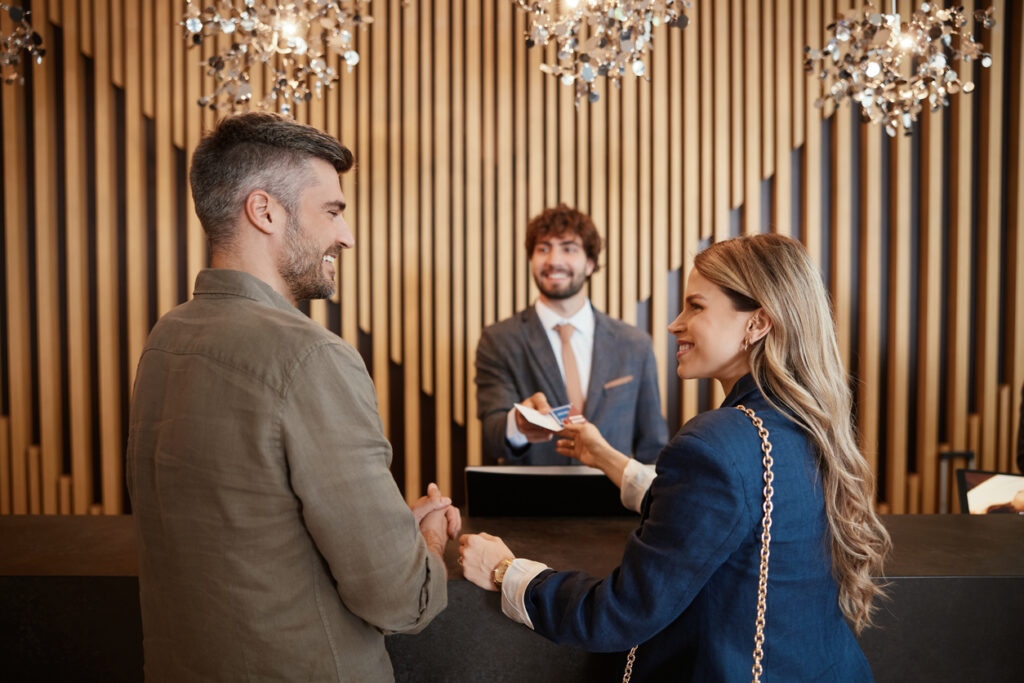
Guest expectations have changed dramatically over the past few years. Travelers now expect the same speed, convenience, and personalization with travel as they experience when shopping online, or ordering food through mobile apps. At the same time, many independent hotels and multi-property operators continue to face staffing shortages and tighter operating budgets.
The good news is that delivering a great guest experience doesn’t require a massive technology investment. A few well-planned engagement strategies can reduce friction, improve satisfaction, and encourage repeat bookings while making life easier for hotel staff.
- Guest engagement spans the entire journey. Every interaction before, during, and after a stay influences satisfaction and loyalty.
- Automation helps small teams do more. Digital tools handle repetitive tasks so staff can focus on meaningful guest interactions.
- Fast, personalized communication matters. Timely messages, self-service options, and tailored offers improve the guest experience.
- Integrated technology delivers the best results. Connected systems help hotels create seamless experiences without adding operational complexity.
1. What Guest Engagement Means and Why It’s a Priority Now
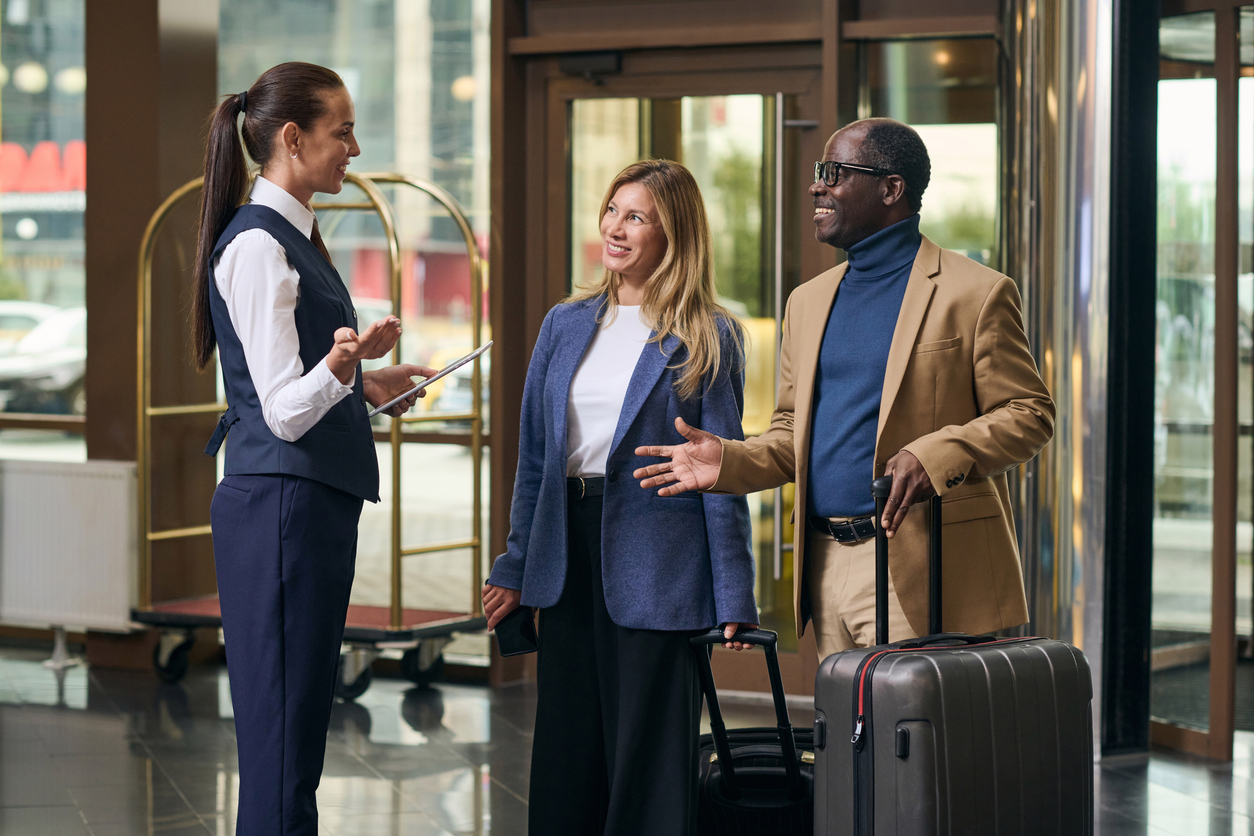 Guest engagement is the ongoing relationship between a hotel and its guests before arrival, throughout the stay, and after departure. Every interaction shapes how guests remember their experience and whether they choose to return.
Today’s travelers compare hotel experiences with the digital services they use every day. They expect quick responses, personalized recommendations, and information that is available exactly when they need it. Waiting in line to check in or searching for basic property information feels increasingly outdated.
At the same time, staffing shortages have become a long-term challenge for many hotels. Teams are expected to deliver exceptional service with fewer people on shift. Digital engagement tools help fill that gap by automating routine communication while allowing staff to focus on the moments where personal hospitality makes the biggest difference.
The most successful hotels combine guest engagement technology with genuine service instead of treating them as separate goals.
At a glance, effective guest engagement follows the guest journey from booking to post-stay follow-up. The table below highlights the key opportunities at each stage:
| Guest Journey Stage | Engagement Strategy | Example | Primary Benefit |
| Pre-arrival | Automated welcome messages | Send arrival details, property information, and personalized offers | Reduces check-in friction and creates upsell opportunities |
| Pre-arrival | Local guides and property information | Share parking instructions, dining options, and local attractions | Helps guests arrive prepared |
| On-property | Mobile check-in and digital keys | Allow guests to check in and access rooms from their phones | Reduces queues and gives guests more flexibility |
| On-property | Two-way texting | Let guests request towels, maintenance, or recommendations by text | Speeds up communication and service recovery |
| Post-stay | Automated feedback requests | Send a survey or review request shortly after checkout | Captures feedback while the experience is fresh |
| Post-stay | Personalized re-engagement | Send offers based on previous stays or preferences | Encourages repeat bookings and builds loyalty |
2. Pre-Arrival Engagement
The guest experience begins long before someone walks through the front door. Effective communication before arrival builds confidence, answers common questions, and creates opportunities to increase revenue.
Automated Welcome Messages and Personalized Upsells
Booking information provides valuable context about each guest. Hotels can automatically send welcome emails or text messages that confirm reservations, explain arrival details, and introduce available services.
These messages can also include relevant upsell opportunities, such as:
- Early check-in
- Room upgrades
- Parking packages
- Spa appointments
- Dining reservations
- Local experiences
Because these offers are based on an existing reservation, they feel helpful rather than intrusive. Guests appreciate having options before arrival, and hotels generate additional revenue without requiring staff to make manual calls or emails.
Here’s an example email template that includes placeholders for guest information, with room for messaging customization:
Subject line: You’re all set for [Hotel Name] — here’s how to make your stay even better.
Preview Text: Your reservation details, plus a few ways to start your stay right.
Hi [Guest First Name],
We’re looking forward to hosting you at [Hotel Name] from [check-in date] to [check-out date]. Here’s a quick summary of your reservation:
- Confirmation number: [XXX}
- Room type: [Room Type]
- Check-in [Time] on [Date]
- Check-out: [Time] on [Date]
Want to start your stay a little early?
Beat the wait and settle in sooner with early check-in for [$XX] [Add Early Check In]
A few ways to make your trip smoother:
Beat the wait and settle in sooner with early check-in for [$XX].
[Add Early Check-In]
A few ways to make your trip smoother:
| Add-on | What you get | Price |
| Room upgrade | More space, better views | From $[XX]/night |
| Parking package | Guaranteed spot, no daily fuss | $[XX]/stay |
| Spa appointment | Reserve your preferred time before you arrive | From $[XX] |
| Dining reservation | Skip the wait at [Restaurant Name] | Free to book |
| Local experience | [Tour or activity name] near the hotel | From $[XX] |
If you have questions before you arrive, just reply to this email or call us at [phone number]. We’ll take care of the rest.
See you soon,
[Hotel Name] Team
Share Property Information Before Guests Arrive
Many questions guests ask at the front desk could be answered before they ever reach the hotel.
Sending practical information ahead of time can reduce check-in delays and improve first impressions. Useful details include:
- Parking instructions
- Directions
- Check-in procedures
- Wi-Fi information
- Restaurant hours
- Local attractions and recommendations
Providing these resources early helps guests arrive prepared and allows front desk staff to spend more time delivering personalized service instead of answering repetitive questions.
3. On-Property Engagement
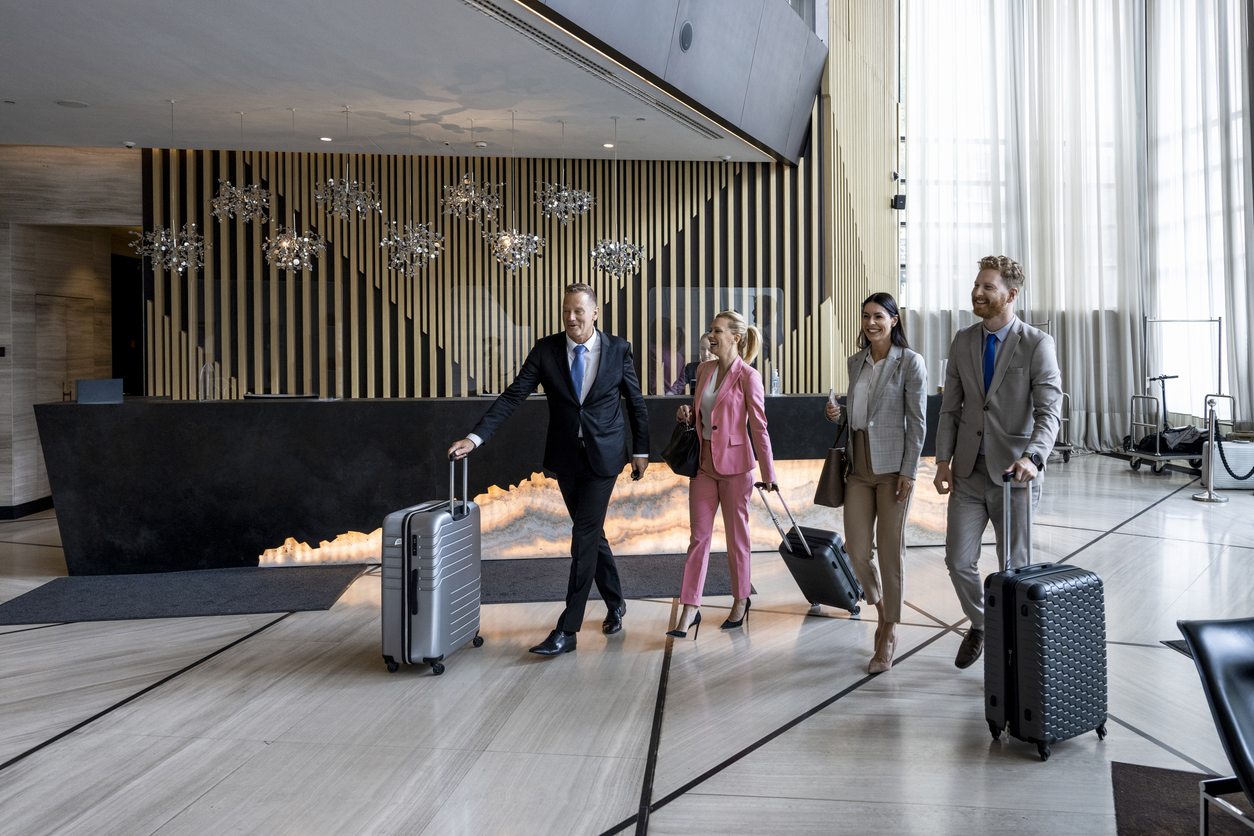 Once guests arrive, convenience becomes the priority. Every unnecessary delay or extra step creates friction that affects the overall experience.
Mobile Check-In and Digital Keys
Retail has conditioned customers to expect self-service. Just as shoppers now use self-checkout to avoid waiting in line, many travelers prefer completing hotel check-in on their phones.Mobile check-in allows guests to skip the front desk when appropriate, while digital room keys provide quick, secure room access without physical key cards.
This convenience benefits both guests and hotel staff. Guests enjoy a smoother arrival, and front desk teams can spend more time helping travelers who need assistance instead of processing routine arrivals.
Hotels do not eliminate personal service by offering self-service options. They simply give guests more flexibility to choose the experience they prefer.
Two-Way Texting Improves Service
Guests increasingly prefer texting over calling the front desk.
Whether someone needs extra towels, maintenance assistance, or restaurant recommendations, texting provides a fast, convenient communication channel. Speed matters more than the communication method itself. Even a simple acknowledgment lets guests know their request has been received and is being handled.
For hotel teams, text conversations are often easier to manage than multiple phone calls, especially during busy periods. Staff can respond efficiently while maintaining a record of guest requests and follow-up actions.
4. Post-Stay Engagement
Guest engagement should continue after checkout. Staying connected helps strengthen relationships, improve operations, and encourage future bookings.
Request Feedback While the Experience Is Fresh
Guests are most likely to leave feedback shortly after their stay.
Automated review requests sent within a day or two of departure typically receive higher response rates than messages sent much later. These surveys provide valuable insight into what worked well and where improvements are needed.
Private feedback also allows hotels to resolve concerns before disappointed guests share negative experiences publicly.
Use Loyalty and Personalized Offers to Encourage Return Visits
Independent hotels may not have the marketing budgets of major chains, but they can still build strong guest loyalty.
Instead of sending generic promotions, hotels can use previous stay information to create more relevant offers.
Examples include:
- Seasonal promotions based on past travel dates
- Packages aligned with guest interests
- Exclusive discounts for returning visitors
- Personalized offers celebrating anniversaries or special occasions
Thoughtful communication helps independent properties compete by creating memorable relationships instead of relying solely on points programs.
5. Choosing the Right Technology
Successful guest engagement depends on more than individual hotel guest engagement software tools. Hotels benefit most when their technology works together rather than operating in isolation.
Understand the Difference Between Software and a Connected Platform
Many hotels use separate applications for reservations, guest messaging, payments, and revenue management.
While each tool may perform its individual function well, disconnected systems often create duplicate work, inconsistent guest information, and unnecessary manual processes.
A connected guest engagement platform allows guest data to move between systems automatically, creating a smoother experience for both guests and staff.
What to Look for When Evaluating Solutions
Before investing in new guest engagement technology, hotels should consider whether it will fit into their existing operations.
Key considerations include:
- Integration with the property’s PMS, CRS, and booking engine
- Simple workflows that staff can learn quickly
- Reporting that provides useful operational insights
- Reliable automation for repetitive guest communications
- Flexibility to support future growth
Choosing hotel guest engagement software that integrates well today helps avoid expensive replacements later.
AI Supports Staff Instead of Replacing Them
Artificial intelligence is becoming an important part of hotel guest engagement, but its greatest value comes from supporting hotel teams rather than replacing them.
AI can personalize messages, answer common guest questions, suggest relevant offers, and automate repetitive communication throughout the guest journey.
This allows staff to spend more time delivering genuine hospitality, solving complex issues, and creating memorable experiences that guest engagement technology alone cannot provide.
Bringing It All Together: Building a Guest Engagement Strategy That Lasts
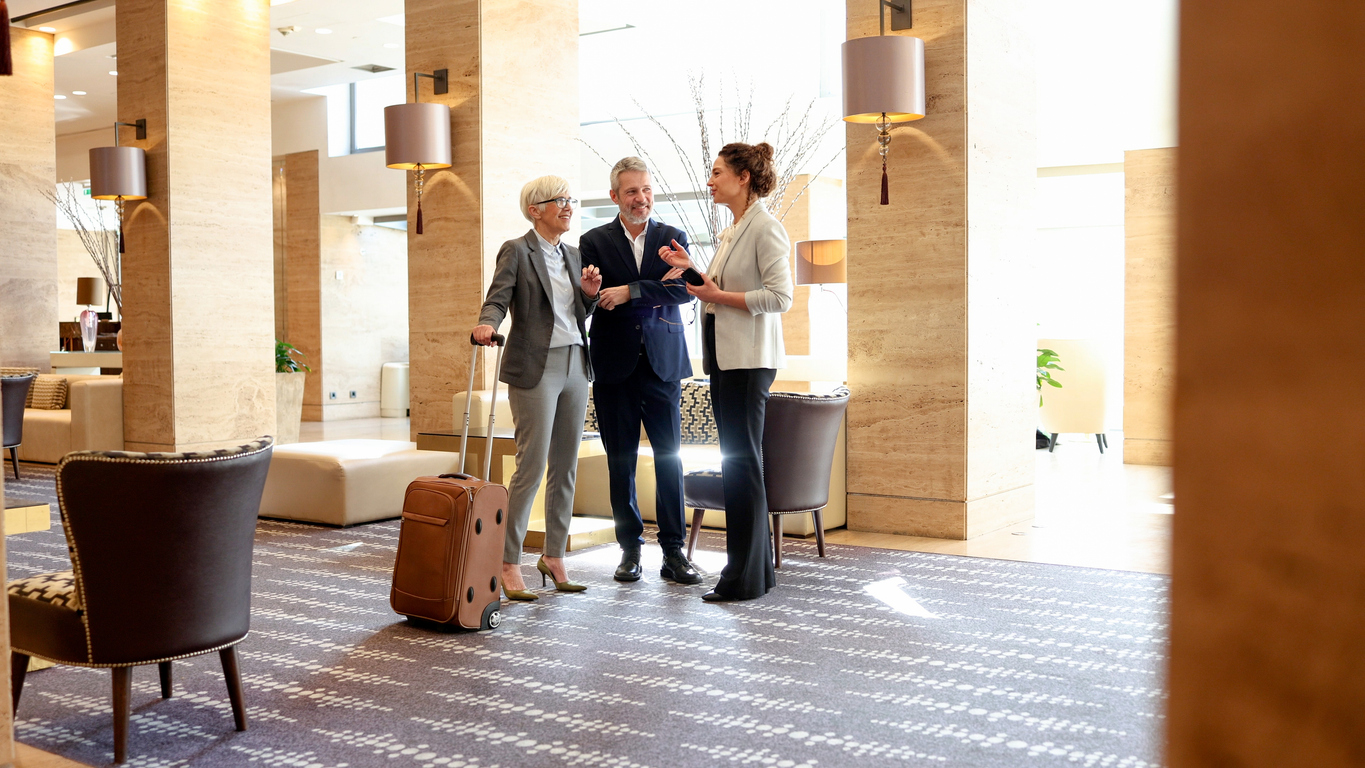 Great guest engagement happens one interaction at a time. Helpful communication before arrival, easy digital experiences during the stay, and thoughtful follow-up after departure all work together to bring guests back.
Technology should support hospitality, not replace it. Start small:
- Automated pre-arrival messages
- Mobile check-in
These deliver quick wins while your team adjusts. From there, connected systems (PMS, CRS, booking engine, and RMS working together) keep guest information flowing across every touchpoint, cutting friction and creating a more consistent experience.
Want to learn how a connected PMS, CRS, and RMS can support your guest engagement strategy? Explore the Zucchetti North America guest engagement technology stack:
Have questions about where to start? Contact the Zucchetti North America team to discuss the right solution for your property.


Related Articles
What Is Hospitality Experience? A Guide for Hoteliers
A guest never sees the systems running in the background: the booking engine, the PMS,...
How Exceptional Hospitality Customer Service Increases Revenue
Impressing your guests takes much more than just providing the expected, like a smooth check-in...
Hotel Guest Journey Mapping: A Complete Guide for Hoteliers
A guest’s opinion of your hotel isn’t formed at check-in. It starts with the first...

North America
Zucchetti North America offers hospitality solutions to hotels and other lodging providers, as well as on-site dining operations across North America.
Quick Links
Contact Us

34 West Oak St, Sturgeon Bay, WI 54235
7901 Kingspointe Pkwy Ste 9, Orlando, FL 32819
500 SW 116th Ave, Portland, OR 97225

+1.503.343.4263

sales@zucchettinorthamerica.com
©2026 Zucchetti. All rights reserved.