

Generative AI in Hospitality: Practical Uses for Growth

Table of Contents

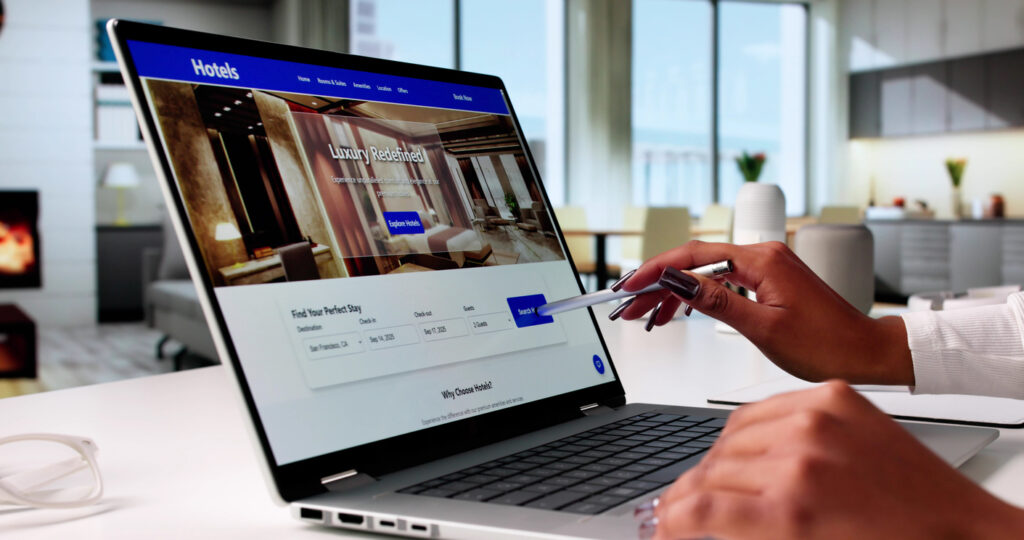
The way travelers search for hotels has fundamentally changed. Not long ago, a guest might type “Orlando boutique hotel” into a search engine and sift through pages of generic results. Today, AI-powered conversational search allows travelers to ask highly specific, natural-language questions — like finding a boutique hotel under $200 a night with a rooftop bar, a great spa, and a family-friendly vibe close to the city center. This shift matters for hospitality businesses because guests are no longer just searching for a place to stay — they’re expecting responses that are personalized, context-aware, and nuanced. Hotels that understand and adapt to this new search behavior will be better positioned to reach the right guests at the right moment, turning a simple query into a confirmed booking.
Key Takeaways
- Generative AI handles repetitive tasks, allowing staff to focus on high-value guest interactions and hospitality.
- AI-powered concierges provide instant, multi-language support for bookings and local recommendations at any hour.
- Tools like Lybra RMS use real-time market intent to optimize pricing and maximize RevPAR.
- AI analyzes guest history to tailor communications and room preferences, building long-term brand loyalty.
- Combining AI’s reasoning with Vertical Booking’s automation creates a seamless, high-efficiency tech ecosystem.
- AI identifies equipment issues before they fail, reducing costs and preventing guest dissatisfaction.
Ways Generative AI in the Hospitality Industry Enhances Guest Experience
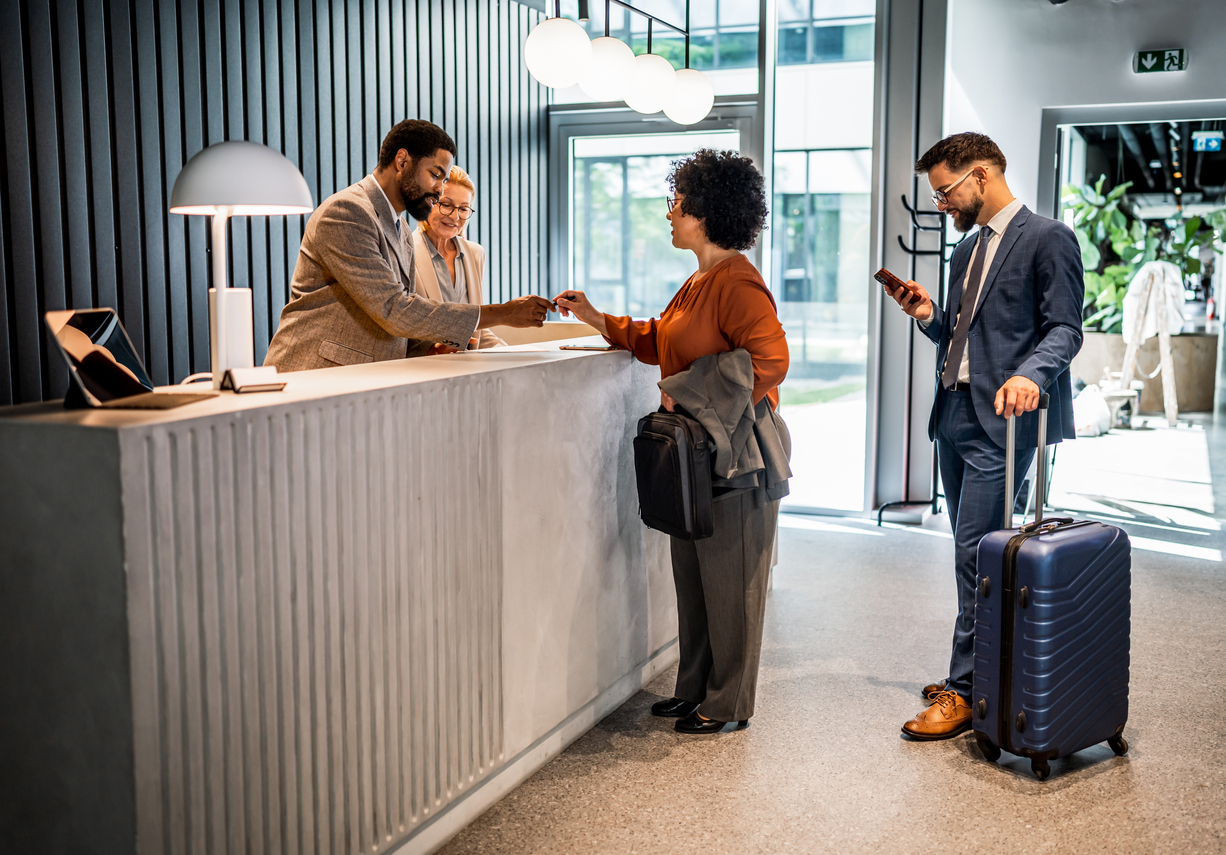 Generative AI enhances the guest experience by making every interaction faster, more personalized, and more intuitive—from the first website visit to post-stay follow-up.
In practical terms, it improves service in four key ways: it delivers 24/7 instant assistance, tailors communication and offers to individual preferences, streamlines arrival and in-stay experiences, and gives guests clearer insight before they book. The result is less friction, higher satisfaction, and a stay that feels designed around the guest rather than the property’s processes.
With 73% of customers expecting brands to understand their needs and expectations, personalization is no longer optional—it is operational. Here is how generative AI makes that expectation achievable at scale.
24/7 Concierge
AI-powered chatbots and virtual assistants now act as always-on concierges.
They can:
- Answer FAQs instantly
- Book spa treatments or restaurant reservations
- Provide multilingual support
- Recommend local attractions based on guest profiles
When integrated with systems like Vertical Booking CRS by Zuchetti, these tools can check availability and confirm services in real time. This type of AI automation hospitality industry solution reduces front-desk workload while improving response speed—critical when delayed replies often mean lost bookings.
Hyper-Personalization
Hyper-personalization goes far beyond inserting a guest’s name into an email. Generative AI analyzes meaningful behavioral and transactional data, including:
- Past stays
- Booking patterns
- Room preferences
- On-property spending
Using this data, the system automatically tailors communication and offers before the guest even arrives. Pre-arrival emails reflect individual preferences. Upsell promotions align with demonstrated interests. Amenity suggestions feel relevant rather than generic.
For example, a returning spa guest may receive a curated wellness package offer, while a frequent business traveler is presented with meeting-room availability and express service options. The experience feels intentional and personal—without requiring additional manual effort from your team.
Automated Check-in & In-Room Control
Contactless experiences accelerated after 2020, but AI now takes them a step further by making them smarter and more seamless.
Mobile check-in integrates directly with solutions like Lodgical Solution PMS by Zucchetti, allowing guest data and room assignments to sync in real time. AI-driven identity verification speeds up arrival, reducing friction at the front desk. Once in the room, voice-enabled systems can automatically adjust temperature, lighting, and other settings to match guest preferences.
Together, these AI-driven automation tools reduce wait times and elevate the perception of modern service. Guests spend less time completing formalities and more time enjoying their stay.
How Generative AI in the Hospitality Industry Can Help Boost Revenue
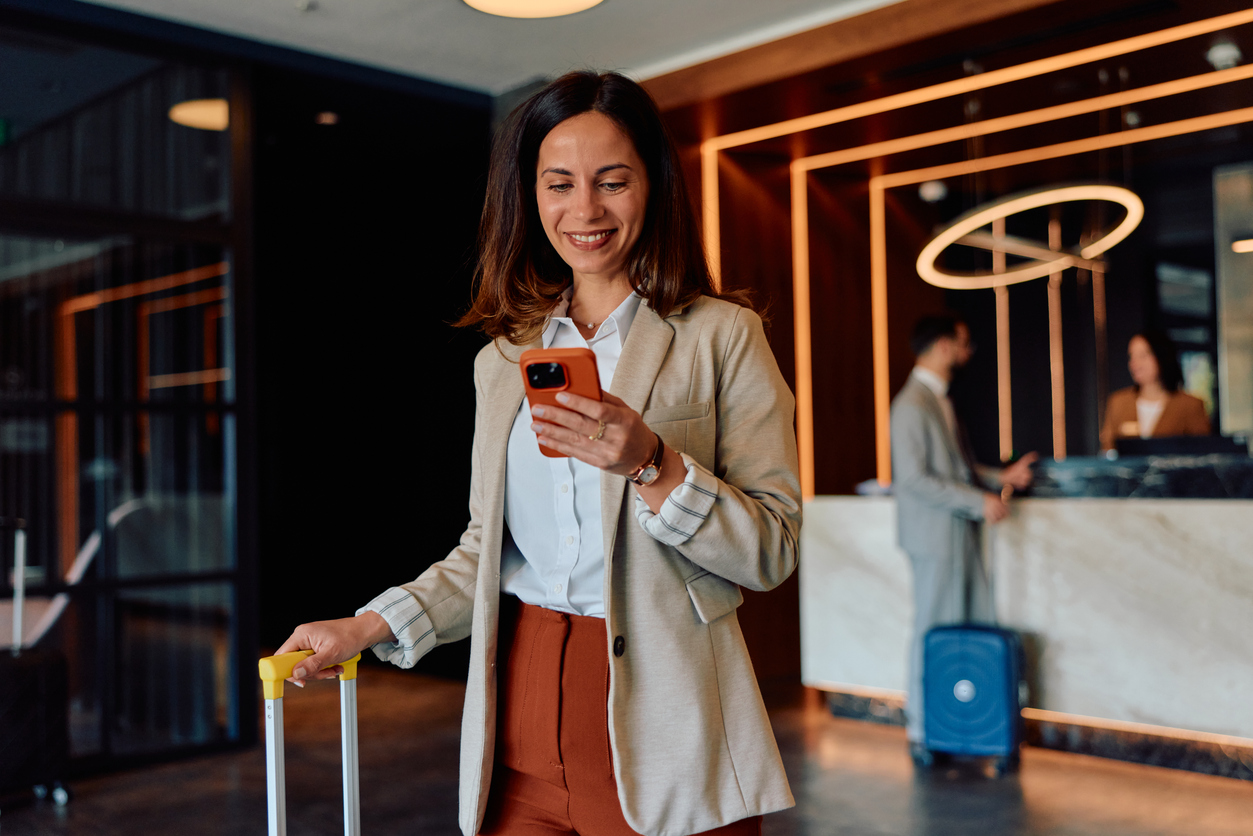 While guest satisfaction drives loyalty, revenue optimization drives sustainability. Adoption of generative AI in the hospitality industry is accelerating because it ties directly to RevPAR, ADR, and ancillary income growth.
Dynamic Pricing & Demand Forecasting
Dynamic pricing is one of the most mature AI automation hospitality industry solutions. Tools like Lybra RMS by Zuchetti analyze:
- Historical booking patterns
- Competitor rates
- Market demand signals
- Event calendars
AI adjusts pricing in real time to optimize occupancy and revenue. Hotels using advanced revenue management systems often see RevPAR improvements of 5-10%.
In practice:
- AI interprets demand signals
- Automation pushes rate updates through Vertical Booking CRS
- Distribution channels reflect changes instantly
This combination of AI interpretation and automated execution maximizes yield without manual intervention.
Personalized Marketing Content
Generative AI is capable of helping to produce high-quality marketing copy for email campaigns, social media, website landing pages, and post-stay follow-ups, as long as human oversight is included in the process. Marketing teams save hours of production time while improving engagement through personalization.
The result is often:
- Higher open rates
- Improved click-through rates
- Stronger direct booking performance
Smart Upselling & Bundling
Upselling works best when it feels relevant, and AI automation in hospitality is intelligent enough to identify opportunities to offer room upgrades, dining packages, event tickets, and spa add-ons tailored to the guests themselves.
For example, if a guest books a weekend stay, AI may suggest a late checkout bundle. If the guest is booking a campsite, it could offer add-ons like firewood or an upgraded campsite closer to washrooms and other facilities if they’re tenting. When integrated with a system like Zuchetti’s TCPOS, spending data can further refine upsell suggestions directly at the point of sale. For example, if the guest orders room service, the system can suggest additional items that relate to their order, such as a bottle of wine with a steak dinner.
Predictive Maintenance
Operational disruptions directly impact guest satisfaction and revenue. AI analyzes equipment usage and historical maintenance data to predict failures before they occur.
Benefits include:
- Reduced downtime
- Lower emergency repair costs
- Better asset lifecycle management
For example, an RV park can get meter and sensor data from hookups to ensure these systems are running smoothly for every guest, and help identify issues early so they can be proactively fixed before they become a problem. This is one of the quieter but most impactful AI automation solutions in the hospitality industry because it protects margins without causing guest-facing friction.
Differences in AI and Automation Enablement for Hospitality
 In the world of hospitality technology, the terms “AI” and “automation” are often used interchangeably, yet they solve fundamentally different problems.
- Automation is about consistency; it uses pre-defined rules to handle repetitive, manual tasks—like syncing inventory across OTAs or sending a standard check-in email—without human intervention.
- AI, by contrast, is about intelligence; it uses machine learning algorithms to analyze data, recognize patterns, and make dynamic decisions—such as forecasting demand based on flight search data or using Generative AI to craft personalized guest responses.
While automation builds the digital rails for your operations, AI provides the engine that allows your systems to learn and adapt in real-time
Automation vs. AI — Why the Difference Matters
Automation focuses on executing predefined tasks faster. Examples include:
- Sending booking confirmations
- Updating room availability
- Routing support tickets
- Generating nightly reports
These processes follow fixed rules.
AI, however, improves decision quality by doing the following:
- Interprets data
- Understands context
- Detects patterns
- Responds to intent
Hospitality needs both. Automation handles volume. AI enhances human judgment. The strongest AI and automation enablement for hospitality strategies don’t replace teams—they amplify them.
How AI and Automation Enablement for Hospitality Work Together
Think of automation as the engine and generative AI as the navigator.
Automation handles repeatable execution at scale. Generative AI adds interpretation, prioritization, and natural language reasoning.
Example workflows:
- AI interprets demand → automation updates rates in Vertical Booking CRS
- AI drafts guest responses → automation distributes across email and chat
- AI summarizes performance metrics → automation shares reports with managers
Revenue optimization and operational stability reinforce each other. To understand how these outcomes are achieved consistently, it’s important to clarify the distinction between automation and AI enablement.
| Area | Traditional Automation | AI Enablement | Business Impact |
| Pricing | Fixed rules (e.g., “if 80% full, add $20”) | ML algorithms adapting to real-time market intent | Maximized RevPAR and competitive edge |
| Bookings | Standard web form for date/room selection | Conversational booking and “Rate Match” features | Higher direct conversion; lower OTA fees |
| Guest Requests | Routing a guest text to the front desk | Interpreting the request and suggesting a solution | Faster response times and reduced staff fatigue |
Operational Impact Across Departments
Adopting generative AI in the hospitality industry affects multiple departments simultaneously.
- Revenue Teams: Move from manual rate adjustments to AI-guided pricing decisions supported by Lybra RMS and automated distribution through CRS platforms.
- Front Desk & Guest Services: Shift from scripted responses to context-aware interactions powered by AI. Staff can focus on high-value interactions instead of repetitive questions.
- Management: Transition from raw data reports to AI-generated summaries with actionable recommendations. Instead of scanning spreadsheets, leaders receive prioritized insights.
- Training & Development: Best AI for training automation in hospitality helps create dynamic learning modules, role-play simulations, and performance feedback summaries. This accelerates onboarding and improves service consistency.
Across departments, AI automation solutions for the hospitality industry work best when layered on stable core systems like PMS, TCPOS, and CRS. These foundational platforms provide structured data that generative AI extracts intelligence from.
Conclusion: Generative AI as a Competitive Equalizer for Hospitality
Generative AI in hospitality industry strategies are quickly moving from experimentation to expectation. As guest demands rise and margins tighten, AI automation in hospitality is becoming essential. The connection is clear, where better guest experiences drive stronger revenue performance, and operational clarity supports both.
The real advantage comes from practical AI and automation that enable hospitality and improve pricing, communication, and efficiency without adding complexity.
If you’re evaluating AI automation hospitality industry solutions, Zuchetti can help you align technology with long-term growth and operational control. Contact us to explore a smarter path forward.




Related Articles

6 Hotel Automation Examples That Actually Work
Hotel automation is the use of technology to handle repetitive, data-driven, or time-sensitive tasks that...

North America
Zucchetti North America offers hospitality solutions to hotels and other lodging providers, as well as on-site dining operations across North America.
Quick Links
Contact Us

34 West Oak St, Sturgeon Bay, WI 54235
7901 Kingspointe Pkwy Ste 9, Orlando, FL 32819
500 SW 116th Ave, Portland, OR 97225

+1.503.343.4263

sales@zucchettinorthamerica.com
©2026 Zucchetti. All rights reserved.