

What Is Hospitality Experience? A Guide for Hoteliers

Table of Contents
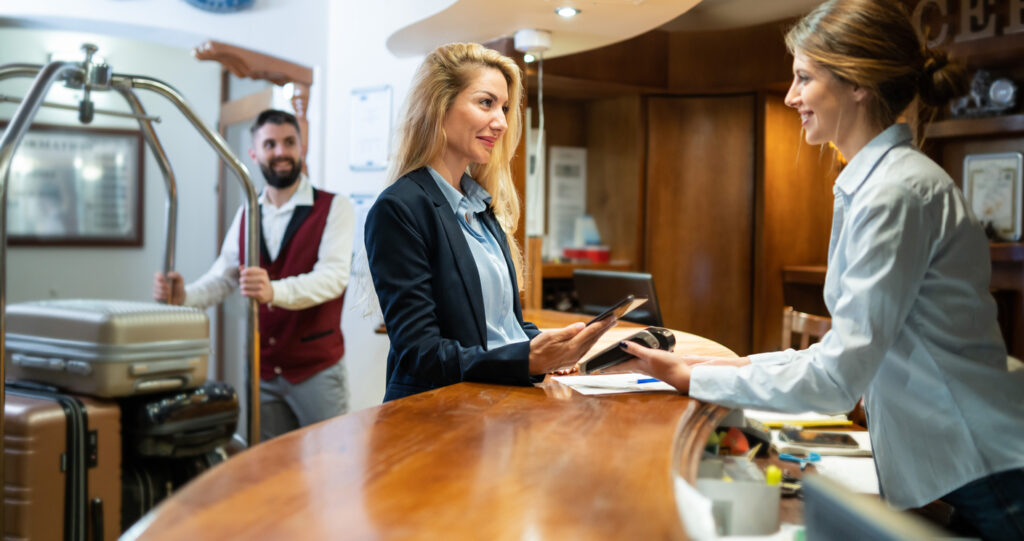
A guest never sees the systems running in the background: the booking engine, the PMS, the housekeeping schedule, but they feel every gap those systems create. When everything connects, the stay feels seamless. When it doesn’t, even small friction points start to define the memory of the hotel.
Key Takeaways
- Every touchpoint shapes guest perception, so the strongest hotels design intentionally for emotional consistency (ease, trust, comfort, and recognition) across the entire journey from booking to post-stay follow-up.
- Guest journey consistency is a stronger predictor of experience quality than isolated excellence, with the most successful operators aligning all departments around a unified experience standard that reduces friction and drives repeat stays.
- The right technology directly determines how consistently and scalably your team can deliver great guest experiences, with integrated platforms like Zucchetti North America reducing manual coordination so staff can focus on guest-facing interactions.
- Most hospitality technology can be implemented in weeks, but real transformation happens in process adoption through staff training, workflow alignment, and clear SOPs determine whether new tools enhance or complicate the guest experience.
- Small, repeatable improvements compound more effectively than large one-time investments, like personalized pre-arrival messaging, faster checkout, and better visibility into guest preferences build long-term experience quality that scales across seasons and occupancy levels.
What Makes up the Hospitality Experience?
 A hospitality experience is the sum of every interaction, impression, and emotion a guest forms before, during, and after their stay. It includes both tangible elements, like room quality, and intangible ones, like service tone, working together to shape how the guest feels about every moment of their stay with you.
What Counts as Hospitality Experience at Your Property?
Hospitality experience doesn’t start and stop at the front desk. It spans the entire guest journey. From the first moment a potential guest encounters your brand to the follow-up after checkout, every touchpoint contributes to their overall perception.
If you think of your accommodations as an ecosystem, this makes sense: marketing, reservations, housekeeping, food and beverage, and management play a role in shaping the experience. If an interaction creates a feeling (positive or negative), it is part of the hospitality experience.
The Hospitality Experience Across the Customer Journey
| Stage | Key Touchpoints | What’s at Stake |
| Pre-Arrival (Discovery & Booking) | Website, online reviews, social media, booking process | Guests form expectations based on ease of finding information and completing a reservation — friction here creates doubt before arrival |
| Arrival (First Impressions) | Check-in process, staff demeanor, wait times, physical environment | A smooth, welcoming arrival builds trust and sets the tone for the entire stay |
| During Stay (Core Experience) | Room cleanliness, amenities, responsiveness, staff interactions | This is where expectations are met, exceeded, or missed — small failures can outweigh multiple positives |
| Departure (Checkout Experience) | Checkout efficiency, billing accuracy, final staff interactions | A rushed or problematic departure can undo an otherwise positive stay |
| Post-Stay (Follow-Up & Loyalty) | Thank-you emails, feedback requests, loyalty offers | This stage determines whether a guest returns or recommends your hotel to others |
Examples of Memorable Guest Hospitality Experiences
 Think about the last time you stayed at a hotel that genuinely stood out. It probably wasn’t a single grand gesture. It was a series of small, well-timed moments that made things feel easy, personal, and considered. Memorable hospitality experiences come from anticipating needs, removing friction, and showing attention to detail in ways guests don’t expect but immediately appreciate.
These moments don’t require a luxury budget. They come from operational awareness, empowered staff, and, where it makes sense, smart use of technology.
Simple, High-Impact Hospitality Experience Examples
These are practical, low-cost ways to elevate the guest experience that any property can implement:
- Personalized welcome messages: A pre-arrival email or in-room note that uses the guest’s name and acknowledges preferences (e.g., bed type, purpose of stay) signals attention to detail before the stay even begins.
- Early room readiness when possible: When operations allow, offering a room ahead of standard check-in time can turn a neutral arrival into a positive surprise, especially for tired travelers.
- Genuinely curated local recommendations: Sharing a short list of nearby restaurants, cafés, or activities based on guest type (business traveler, couple, family) feels far more valuable than generic lists pulled from review sites.
- Small, but meaningful extras: Is your property located on the rainy West Coast? Provide umbrellas that guests can grab at the door before they leave for the day. Have a hotel in the middle of a big city? Provide bicycles that guests can use to get around faster and contribute to a healthier environment at the same time.
- Fast, frictionless checkout: Eliminating lines and simplifying billing, whether through express checkout or clear invoicing, respects the guest’s time and ends the stay on a high note.
- Thoughtful post-stay follow-up: A short, sincere thank-you message that invites feedback or a review reinforces that the guest relationship doesn’t end at checkout.
Technology-Enabled Hospitality Experience Examples
Modern hospitality technology makes it easier to deliver these moments consistently without adding complexity or requiring a large IT team:
- Direct booking engines that capture preferences: When guests book directly, you can gather useful details like arrival time, room preferences, and special requests and use them to personalize the stay from the start.
- Automated pre-arrival messaging: Scheduled communications can highlight dining options, upsells, or local experiences, helping guests plan while increasing ancillary revenue.
- Mobile or self-service check-in: Giving guests the option to bypass the front desk reduces wait times and congestion, particularly during peak arrival periods.
- A PMS that surfaces guest history: When staff can quickly see past stays, preferences, or notes, they can personalize interactions in subtle but meaningful ways, like meeting the preferences of repeat guests without them having to repeat them every time they stay.
- Real-time pricing that feels fair: Dynamic pricing tools help ensure guests feel they received a competitive rate relative to demand. While often overlooked, pricing perception plays a quiet but important role in overall satisfaction.
How to Get Hospitality Experience Right Across the Guest Journey
 It’s one thing to understand what great hospitality looks like. It’s another thing to deliver it consistently, day in and day out, with a lean team.
The key is to align your operations with the guest journey so every stage is intentional, supported, and easy for your team to execute.
Pre-Booking and Pre-Arrival
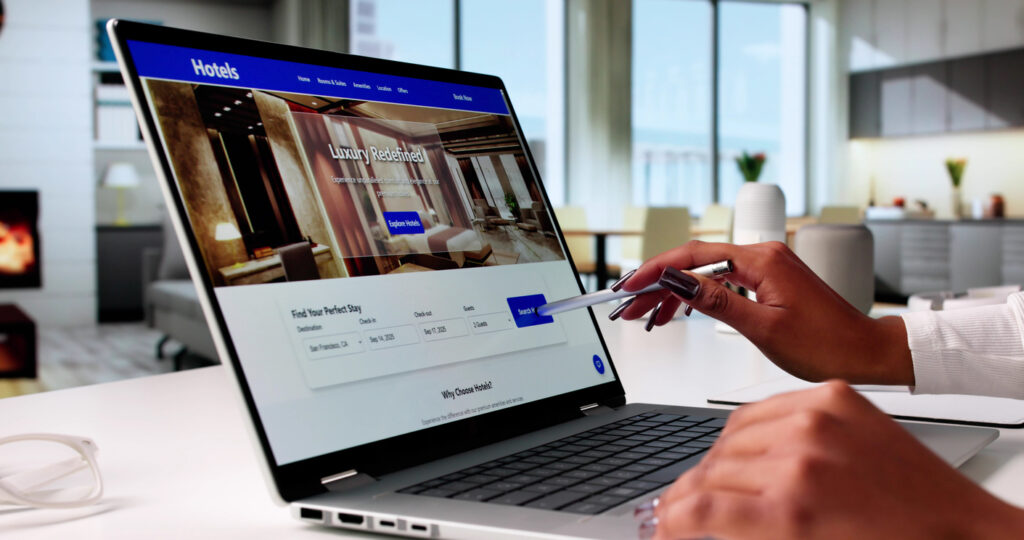
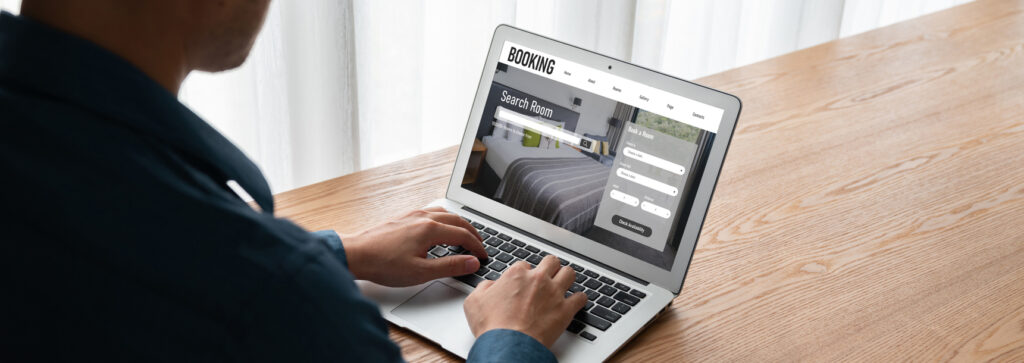
Your website and booking engine are the first real impression a guest gets of your property. A clunky, slow, or confusing booking process communicates the same message as a disorganized front desk: it creates doubt.
Start by ensuring your direct booking experience is clean, fast, and mobile-friendly. Tools like Simple Booking IBE are designed to remove friction, making it easy for guests to:
- Find availability
- Understand pricing
- Complete a reservation without second-guessing
From there, extend the experience into pre-arrival. Set up automated emails that feel warm and helpful, not purely transactional. Confirm key details, offer useful information about the stay, and highlight relevant add-ons or services. This sets expectations clearly while building anticipation.
Check-In and the In-Stay Experience
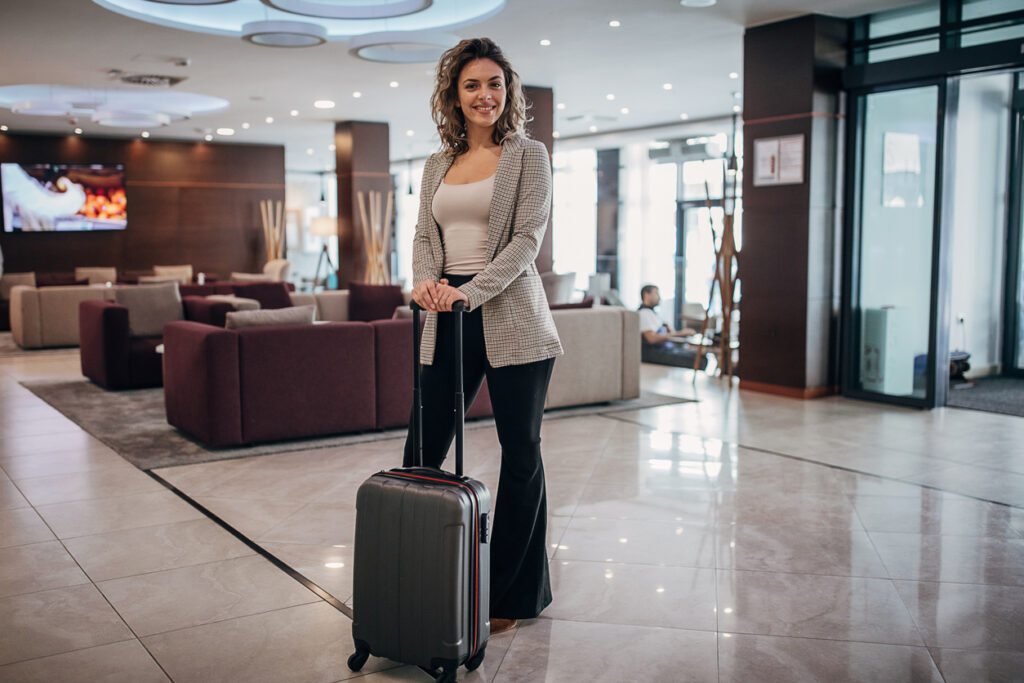
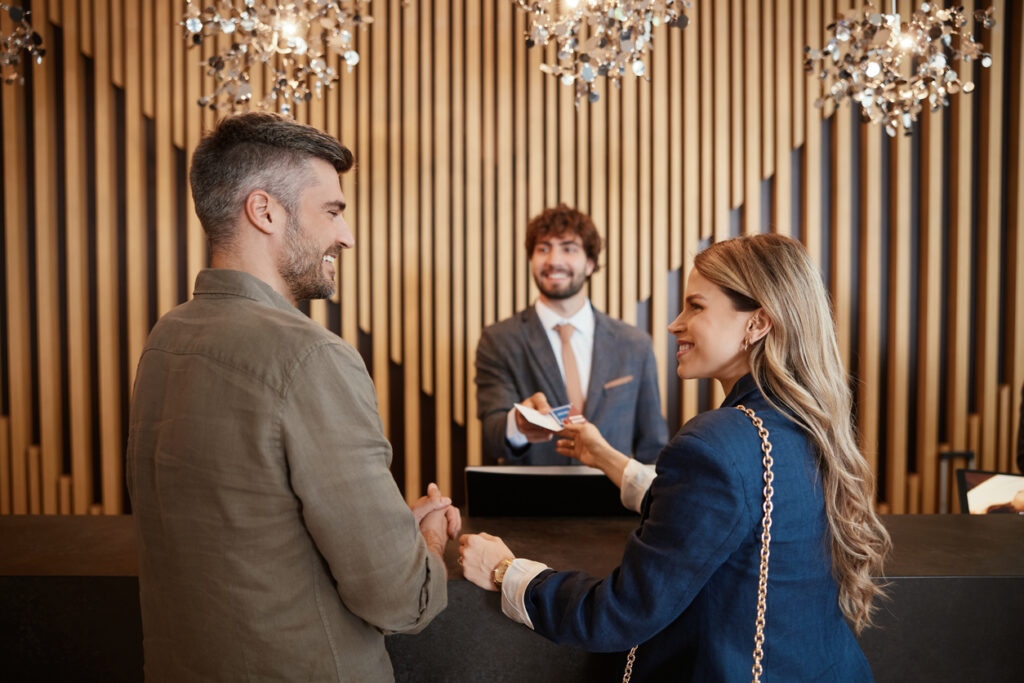
Guests form lasting impressions within the first few minutes of arrival, which makes check-in a critical moment to get right.
Train your team to greet guests by name whenever possible. It’s a small gesture that immediately makes the interaction feel personal. Where it fits your property type, offer self-service check-in options to reduce wait times and give guests more control over their arrival experience.
During the stay, consistency is everything. Service requests should be actioned quickly and communicated clearly. Whether it’s housekeeping, maintenance, or front desk support, responsiveness reinforces reliability.
At the same time, make it easy for guests to discover and use what you offer. Your F&B outlets, amenities, and services should be clearly communicated, both in-room and digitally, so guests don’t have to search or ask to enjoy them.
Check-Out and Post-Stay Communication
Check-out is your final opportunity to leave a strong impression. A slow or confusing departure can overshadow an otherwise great stay, so simplicity matters. Offer guests the option to review and settle their bill before departure to avoid delays. Keep the farewell warm, human, and unhurried, even if the process itself is quick.
After the guest leaves, the experience isn’t over. Follow up with a personalized message that thanks them sincerely, invites feedback, and encourages a return stay. Make it easy to book directly again by linking back to your website or booking engine.
When done well, this final step turns a completed stay into the beginning of a long-term relationship.
Across all three stages, the goal is the same:
- Reduce friction
- Increase clarity
- Create small moments of recognition
When those elements are built into your operations, consistently great hospitality becomes far more achievable even with limited time and resources.
Frequently Asked Questions
What is the difference between hospitality experience and customer service?
Customer service refers to specific interactions like handling a request or resolving an issue. Hospitality experience is broader. It includes every touchpoint across the guest journey, from booking to post-stay follow-up, and focuses on how those interactions make the guest feel overall.
Why is hospitality experience important for hotels?
Hospitality experience directly impacts guest satisfaction, reviews, and repeat bookings. A seamless, positive experience builds trust and loyalty, while negative moments, especially early or late in the journey, can outweigh otherwise good service and reduce the likelihood of return visits.
Can small or independent hotels deliver great hospitality experiences?
Yes, great hospitality is more about consistency and attention to detail than budget. Simple actions like personalized communication, smooth check-in, and fast response times can create memorable stays without requiring significant investment in staff or infrastructure.
How can technology improve the hospitality experience?
Technology helps standardize and scale good experiences. Tools like booking engines, PMS platforms, and automated messaging systems reduce friction, capture guest preferences, and enable more personalized service—without adding complexity for staff.
What is the most important stage of the guest journey?
There isn’t a single most important stage, but first and last impressions carry the most weight. A smooth booking and check-in set expectations, while an easy check-out and thoughtful follow-up shape how guests remember and talk about their stay.
Conclusion: Making Your Hospitality Experience Great is Easy With the Right Technology
 Delivering a consistently great hospitality experience doesn’t require larger teams or more complex operations, it requires the right structure and the right tools. When booking, operations, guest communication, and revenue management work together in one cohesive system, staff spend less time fixing operational gaps and more time focused on guests.
That’s exactly what Zucchetti North America’s integrated platform is built to support. Learn more about how we help hoteliers deliver better guest experiences at every touchpoint.




Related Articles

9 Hotel Marketing Ideas to Boost Occupancy
Independent hotels and regional hotel groups face a difficult reality: they’re competing for the same...
Top 5 Guest Engagement Strategies for Hotels in 2026 and Beyond
Guest expectations have changed dramatically over the past few years. Travelers now expect the same...

How Exceptional Hospitality Customer Service Increases Revenue
Impressing your guests takes much more than just providing the expected, like a smooth check-in...

North America
Zucchetti North America offers hospitality solutions to hotels and other lodging providers, as well as on-site dining operations across North America.
Quick Links
Contact Us

34 West Oak St, Sturgeon Bay, WI 54235
7901 Kingspointe Pkwy Ste 9, Orlando, FL 32819
500 SW 116th Ave, Portland, OR 97225

+1.503.343.4263

sales@zucchettinorthamerica.com
©2026 Zucchetti. All rights reserved.