

How to Improve Hotel Sales: 7 Proven Strategies

Table of Contents

A hotel can be fully booked on a Saturday night and still be underperforming on revenue, while another nearby property with fewer guests is quietly outperforming it. The difference rarely comes down to demand and pricing; it comes down to how intentionally that demand is shaped, segmented, and converted. Understanding how to improve hotel sales today goes beyond filling rooms. It requires a clear strategy across every segment, channel, and touchpoint.
- A formal sales plan combining segment prioritization and aligned sales-marketing execution is the strategic foundation for improving hotel sales.
- Group sales (corporate meetings, weddings, sports teams, retreats) are ideal for stabilizing base occupancy and improving shoulder-season performance.
- The highest ROI comes from shifting demand toward direct bookings while using OTAs strategically for visibility and fill.
- Structured sales planning and segmentation can improve pipeline activity within 30-60 days, but meaningful revenue gains typically emerge over 6-12 months.
- An integrated tech stack combining PMS data, RMS, and sales tracking tools creates a unified view of demand and performance, improving pricing, group acceptance, and channel allocation decisions.
7 Strategies to Improve Hotel Sales
 If you’re wondering how to improve hotel sales sustainably, the answer lies in combining structured planning with disciplined execution. Independent hotels and multi-property operators that consistently grow revenue tend to follow a structured approach: they plan deliberately, align teams, and use data to guide decisions rather than relying on reactive selling.
The table below summarizes how to improve hotel sales by aligning each strategy with clear actions and expected outcomes.
Strategy Summary
| Strategy | Core Focus | Key Actions | Primary Benefit | Timeline to Impact |
| Sales Plan vs Budget | Strategic direction | Define revenue targets, segments, channels, and pacing goals | Clear roadmap for revenue growth | 30-60 days |
| Segment-Based Sales Strategy | Profitability optimization | Identify high-value segments and align outreach + channels | Higher-margin, more predictable revenue | 60-90 days |
| Sales & Marketing Alignment | Demand generation + conversion | Shared KPIs, unified messaging, coordinated campaigns | Stronger funnel performance | 60-90 days |
| Quarterly Sales Action Plan | Execution discipline | Set prospecting goals, promotions, and performance reviews | Consistent, measurable progress | 30-90 days |
| Group Sales Strategy | Base occupancy + stability | Proactive outreach, RFP process, displacement analysis | Reduced reliance on OTAs | 3-6 months |
| Direct Booking Optimization | Margin improvement | Rate parity, incentives, retargeting, booking engine optimization | Higher profitability per booking | 30-90 days |
| Data-Driven Sales Strategy | Real-time decision-making | Forecast demand, track channels, monitor competitive pricing | Faster, smarter revenue decisions | Ongoing (compounding) |
1. Start With a Hotel Sales Plan, Not Just a Budget
The first step in learning how to improve hotel sales is moving beyond budgeting and building a true sales plan. A budget tells you what you expect to spend. A sales plan tells you how you expect to grow.
Too many hotels operate with detailed financial budgets but no clear roadmap for generating demand. The result is reactive sales activity, meaning responding to inquiries instead of proactively shaping them.
A strong hotel sales plan typically includes:
- Clear revenue targets by segment (corporate, leisure, group, OTA, etc.)
- Defined market segments and ideal customer profiles
- Channel strategy (direct, OTAs, wholesale, GDS, corporate contracts)
- Monthly and quarterly pacing targets
- Lead generation and conversion goals
When these elements are missing, sales teams often default to short-term tactics like discounting, which may fill rooms but rarely build sustainable revenue.
2. Build a Hotel Sales Strategy Plan Around Your Best Segments
Not all revenue is created equal. A room sold to a last-minute OTA guest behaves very differently from a negotiated corporate rate or a group booking.
A strong hotel sales strategy plan starts by identifying which segments actually drive profitability, not just occupancy.
Key segments typically include:
- Transient leisure: High volume but often OTA-dependent and margin-sensitive
- Corporate travel/GDS: Higher rate stability, but requires relationship building and GDS connection
- Group business: Meetings, weddings, and events that secure base occupancy
- Wholesale/OTA channels: Useful for visibility, but often higher acquisition cost
The goal is to define an ideal customer profile for each segment and align outreach accordingly. For example, corporate sales teams should not be chasing the same leads as leisure marketing campaigns.
Channel alignment is critical here. OTAs may be effective for filling transient demand, while corporate and group segments are better served through direct sales efforts and targeted outreach.
3. Develop a Hotel Sales and Marketing Strategy That Works Together
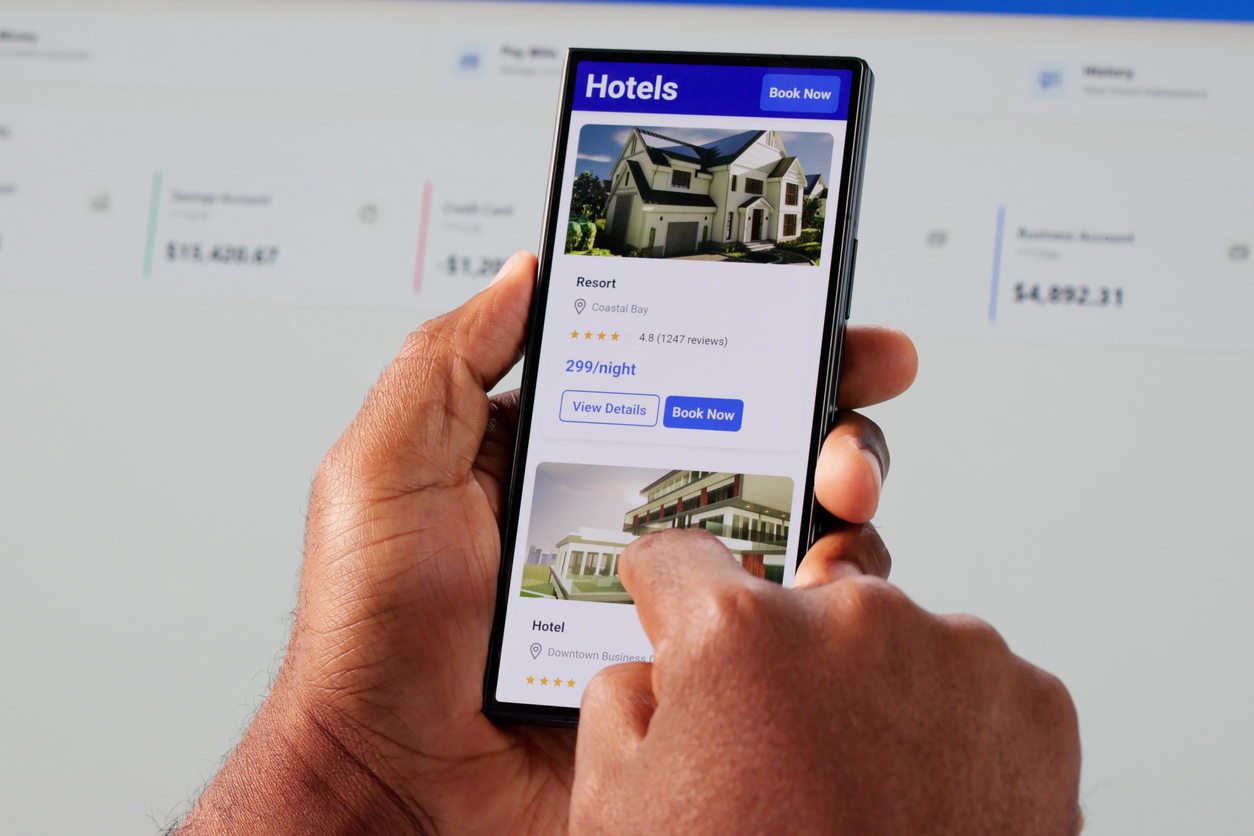 In many independent hotels, sales and marketing operate in parallel rather than in partnership. This disconnect leads to inconsistent messaging, inefficient campaigns, and missed revenue opportunities.
When aligned properly, the two functions create a full-funnel system:
- Marketing generates awareness and demand at the top of the funnel
- Sales converts that demand into bookings and repeat business
Practical alignment tactics include:
- Shared RevPAR and revenue targets across teams
- Unified messaging tailored by segment (not just by channel)
- Coordinated campaign calendars (so promotions support sales priorities)
- Joint performance reviews based on revenue outcomes, not just activity metrics
A useful concept here is a demand calendar, which is a forward-looking view of when and how to stimulate or protect demand. For example, promoting direct bookings during high-demand periods while using OTAs strategically during softer windows.
Integrated platforms, such as those offered by Zucchetti North America, can help unify sales and marketing data so both teams operate from the same demand picture rather than disconnected systems.
4. Put a Hotel Sales Action Plan in Place for Every Quarter
Strategy without execution is just intent. That’s why high-performing hotels translate annual goals into quarterly action plans.
A hotel sales action plan breaks down revenue targets into specific, measurable activities.
Each quarterly plan should include:
- Prospecting targets (new accounts, agencies, corporate clients)
- Channel-specific initiatives (OTA promotions, direct booking pushes)
- Seasonal packages or promotions tied to demand cycles
- Account management activities (corporate reviews, group follow-ups)
- Win/loss analysis to refine future targeting
This structure prevents the common “busy but not productive” sales cycle. Instead of scattered outreach, teams focus on a defined set of priorities that directly support revenue goals.
5. Make Hotel Group Sales a Revenue Stream, Not an Afterthought
Group business is one of the most underleveraged revenue opportunities in independent hotels. When managed strategically, it can stabilize occupancy and reduce reliance on high-cost transient channels.
Yet many properties treat group inquiries as reactive, responding only when Request for Proposals (RFPs) arrive.
A proactive group sales strategy includes:
- A clearly defined RFP and response process
- A competitive but controlled group rate structure
- Dedicated outreach to corporate planners, event organizers, and associations
- Evaluation of displacement cost (what transient revenue is lost vs. group gain)
This last point is critical. Not all group bookings are beneficial if they displace higher-value transient demand.
This is where revenue intelligence becomes essential. A Revenue Management System (such as Lybra RMS) helps evaluate whether accepting a group booking improves total revenue performance or reduces overall yield. Without that visibility, hotels risk filling rooms without maximizing profitability.
6. Use Hotel Room Sales Strategies to Drive Direct Bookings
 Direct bookings remain the most profitable channel for any hotel, yet they are often under-optimized.
Effective hotel room sales strategies focus on removing friction and increasing perceived value.
Three proven approaches include:
- Rate parity management: Ensuring your direct rates are competitive with OTA listings
- Direct booking incentives: Adding value through perks like early check-in, late checkout, or complimentary upgrades
- Behavioral retargeting: Re-engaging visitors who browsed rooms but did not complete a booking
A critical enabler here is the booking engine. If the booking process is slow, unclear, or mobile-unfriendly, hotels lose revenue at the final step. Even small usability improvements can significantly increase conversion rates.
Metasearch platforms act as a bridge between OTA visibility and direct booking conversion by putting your direct rates in front of high-intent travelers, but the newest trend is travellers using AI tools to plan their trip from start to finish. To ensure you show up in AI, you must have a booking MCP server in place.
7. Build a Sales Strategy Plan for the Hotel Industry’s New Reality
Hotel sales is no longer driven by static annual forecasts. Demand shifts daily, competitors adjust rates in real time, and guest behavior is increasingly shaped by digital discovery and AI-driven recommendations.
A modern sales strategy plan must reflect this reality.
Key capabilities include:
- Demand forecasting: Anticipating booking patterns based on historical and real-time data
- Competitive rate intelligence: Understanding where your property stands in the market
- Channel performance tracking: Identifying which channels actually drive profitable bookings
The goal is not complexity for its own sake. It’s visibility. Hotels that understand what is working can double down on high-performing channels and adjust quickly when conditions change.
This is where integrated technology becomes essential. Platforms that unify PMS, revenue management, and sales reporting (such as Zucchetti North America’s ecosystem) give hoteliers a single view of performance, enabling faster, more confident decisions.
Frequently Asked Questions
What is the difference between a hotel sales plan and a hotel budget?
A hotel budget focuses on financial planning, which is what you expect to spend and earn over a period. A hotel sales plan, on the other hand, outlines how you will actively generate revenue. It defines target segments, sales channels, and actions needed to achieve growth rather than just forecasting outcomes.
Which hotel sales strategies have the biggest impact on revenue?
The most impactful strategies usually involve segmentation, direct booking optimization, and group sales development. Hotels that clearly define their best-performing market segments and align sales and marketing efforts tend to see stronger, more consistent revenue growth than those relying heavily on OTAs alone.
How can independent hotels improve direct bookings?
Independent hotels can improve direct bookings by maintaining rate parity with OTAs, offering value-added incentives like upgrades or flexible check-in, and reducing friction in the booking engine. Retargeting website visitors who don’t complete a booking is also an effective way to recover lost revenue.
Why are hotel group sales so important for revenue stability?
Group sales provide predictable occupancy and often secure business during low-demand periods. Weddings, corporate events, and meetings can anchor a hotel’s calendar, reducing reliance on last-minute bookings. When managed properly, group sales also improve forecasting accuracy and overall revenue stability.
How does technology support a modern hotel sales strategy plan?
Technology enables hotels to track demand, analyze channel performance, and optimize pricing decisions in real time. Integrated systems like PMS and revenue management platforms help hoteliers understand what’s driving bookings, allowing them to adjust strategy quickly and focus on the most profitable opportunities.
Conclusion: Improve Revenue With the Right Strategies
 Improving hotel sales comes down to doing the right things consistently, not just doing more. A strong sales plan, clear segmentation, aligned sales and marketing, and structured execution don’t work in isolation — they reinforce each other. Add group sales strategy, direct booking optimization, and integrated data tools, and you have a system that drives sustainable revenue growth rather than one-off wins.
Contact us to learn how Zucchetti North America helps hotels build a connected revenue strategy that actually sticks.



Related Articles

10 Best Revenue Management Software Options to Boost Hotel Profitability
Hotel revenue management has come a long way from manually adjusting room rates based on...

Customer Revenue Optimization Software: A Hotel Guide
Should you raise your rates this week, or hold steady? Every hotel operator struggles with...

Hotel Revenue Management Explained: Basics & Strategies
A single mispriced room can ripple through your entire month’s revenue. Picture watching your competitor...

North America
Zucchetti North America offers hospitality solutions to hotels and other lodging providers, as well as on-site dining operations across North America.
Quick Links
Contact Us

34 West Oak St, Sturgeon Bay, WI 54235
7901 Kingspointe Pkwy Ste 9, Orlando, FL 32819
500 SW 116th Ave, Portland, OR 97225

+1.503.343.4263

sales@zucchettinorthamerica.com
©2026 Zucchetti. All rights reserved.